Category Archives: scicomms

Le-tting-go – March 2026

I’ve been in my new job for two months now and I am pleased to report that I am still loving every second of it. Working with students is full of highs and lows – the last few weeks has had its share of both – but is incredibly rewarding. Although I’ve had plenty of experience lecturing and leading workshops, I’ve not had much experience of the one-to-one tutorial work and I’ve been enjoying getting to grips with this part of the job.

I am especially enjoying getting to use creative and game-based approaches for my Environmental Hazards module. This includes some of my favourite tools and also things I have worked on in the past but never really had the opportunity to use properly. Firstly, I wanted the students to appreciate how individuals had different vulnerabilities and resilience to hazards – we explored this in the context of children and young people using the Help Callum and Help Sali 360 immersive storytelling videos from the Flood Stories project. Five years on from finishing these, this was the first time I had got to use them!

Stop Disasters is absolute classic of the games for geoscience and disaster risk reduction genres. It is made for school kids really, but framed in the right way it can be useful in higher education too. I’ve already used the flood level in my River Management module to explore the ‘art of the possible’ in flood risk management, and a couple of weeks ago I used the tropical storm level in my Environmental Hazards module to allow students to try out counterfactual thinking. We also played Good Morning, a micro-RPG I wrote last year to explore how downward counterfactuals work. I was pleasantly surprised at how well it worked and a good feeling to effectively use a tool I had written.

This month I also got to say a proper goodbye to my former Environment Agency colleagues from the Flood Hydrology Improvements Programme (FHIP). As a dispersed national team, we worked almost entirely remotely and only got together in-person two or three times a year. They chose to meet in York for their first meeting of 2026 so I could join them for dinner. This was such a nice gesture and I was reminded of just how much I miss them all. It still does not feel right that I won’t get to see them all regularly anymore…
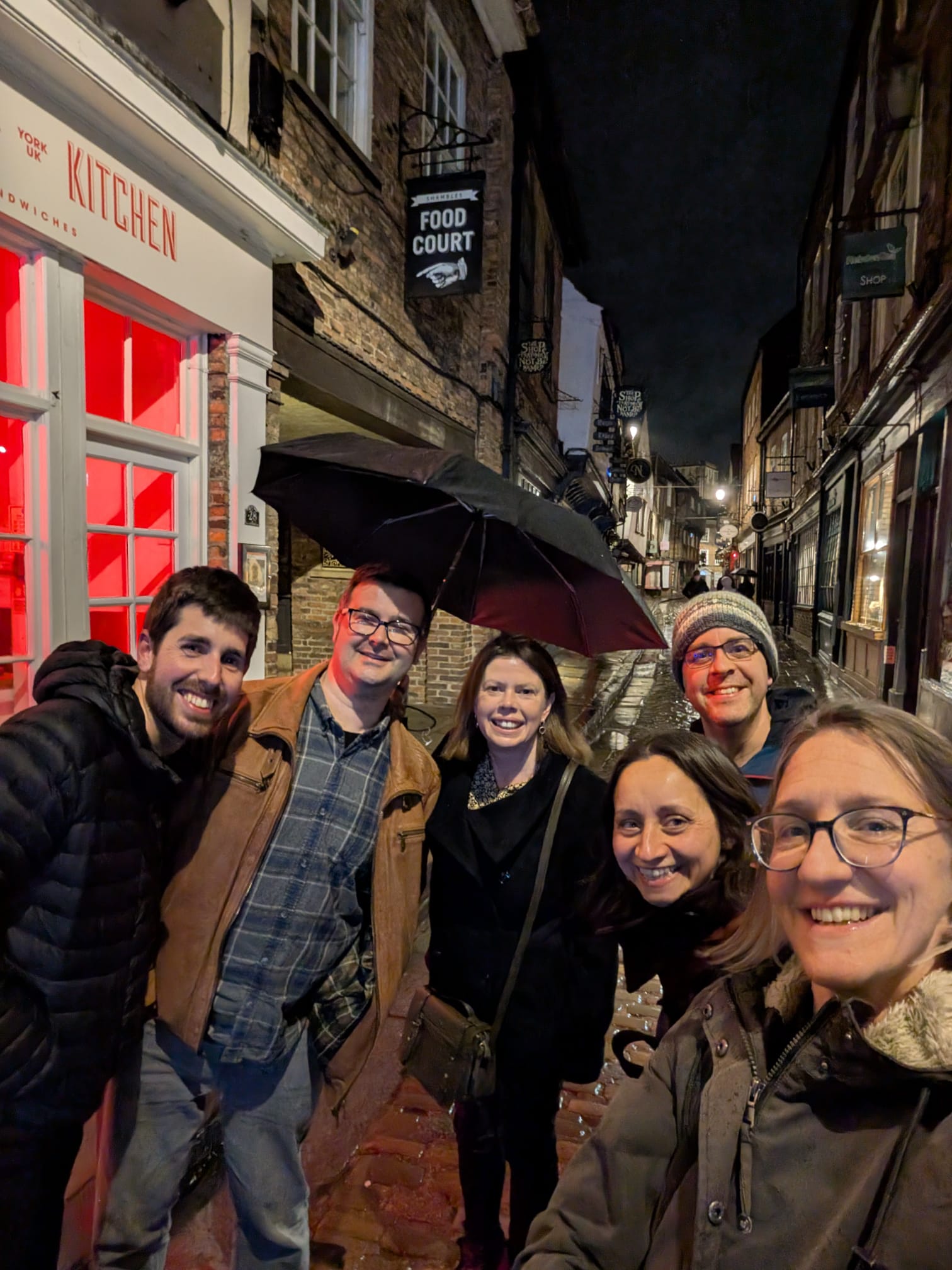
Me and some of the FHIPsters in York

Another highlight from the last month was the workshops for the NERC EMBRACE Enviro project. Led by the wonderful Dr Olalekan Adekola, this pilot project is part of the NERC Opening up the Environment call, and seeks to engage members of the refugee and migrant communities with environmental science and careers. Over three days, two groups undertook two days of free training. This included analysing water quality in the lab, GIS, and science communication.

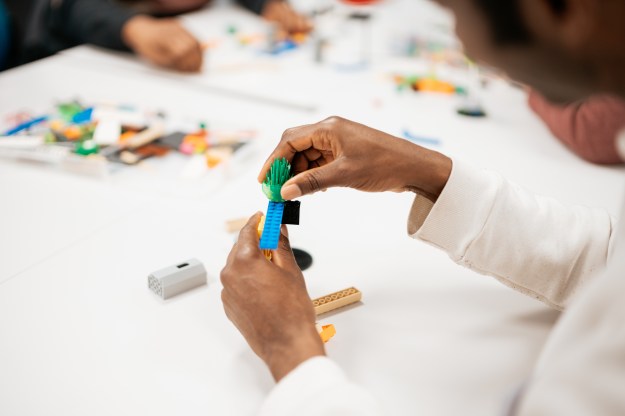
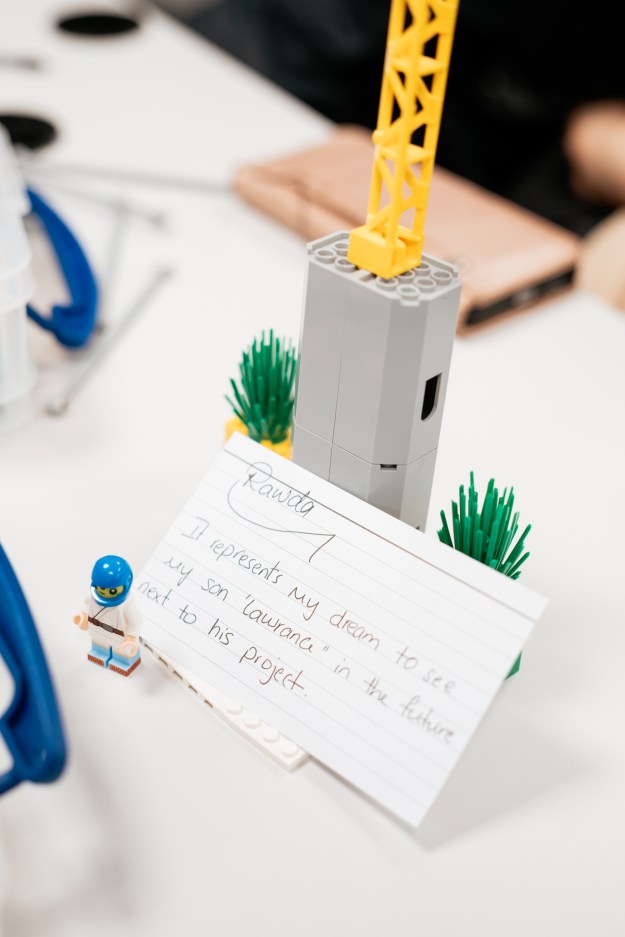
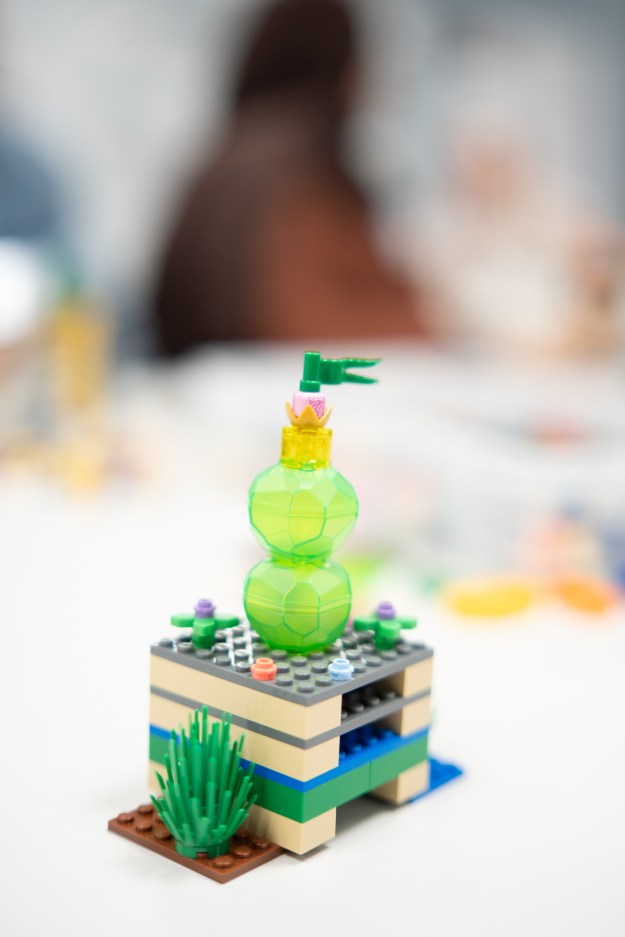
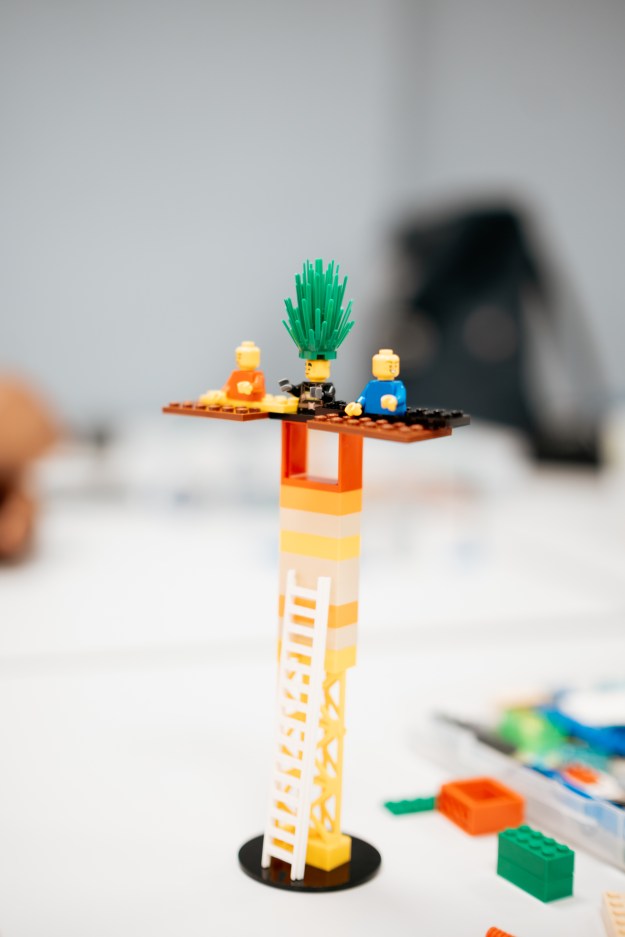
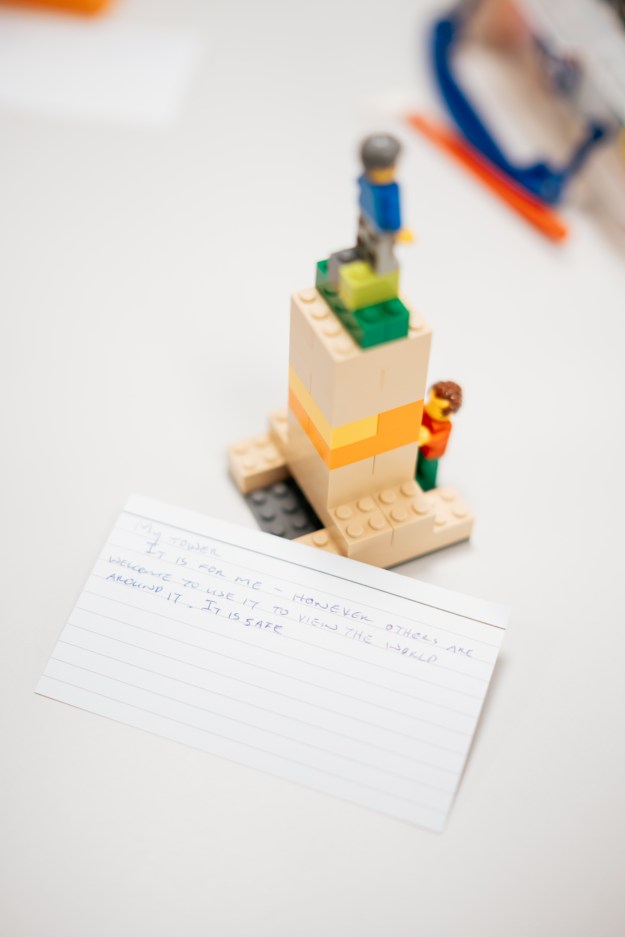
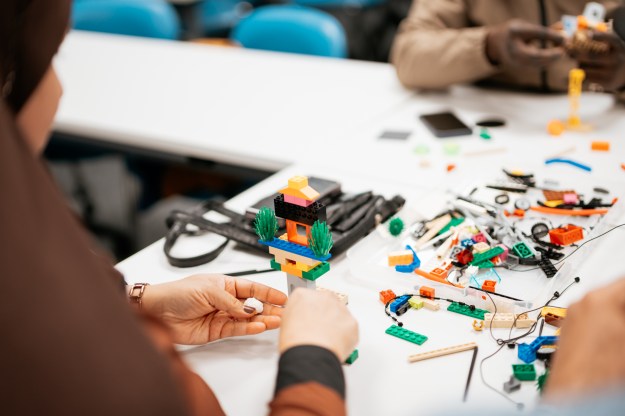
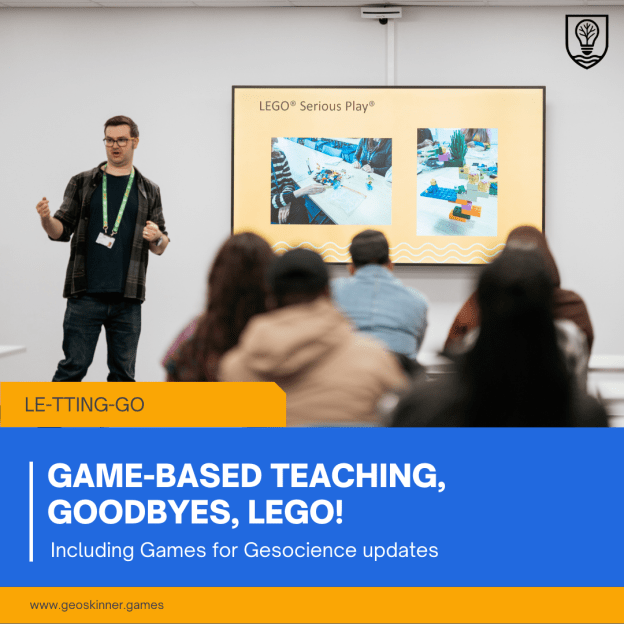
I was involved in the project in the middle of last year, long before my current role was even advertised. I was included as an external consultant – through my side quest as GeoSkinner – to support the science communication training. These workshops then were also my last act as a freelancer and were based on my LEGO(R) Serious Play(R) inspired Play your Research workshops. I helped the participants find and visualise their science and personal stories of the workshop by building with the LEGO bricks.
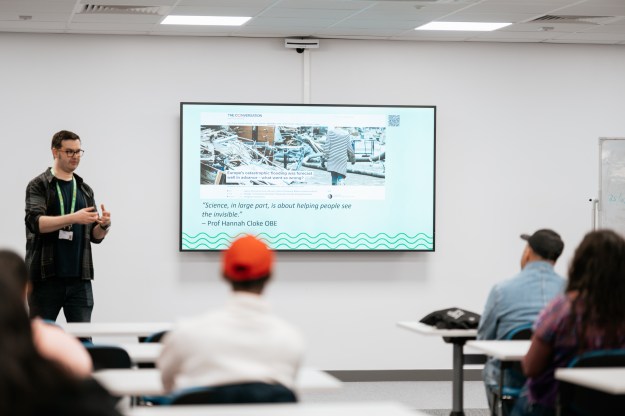
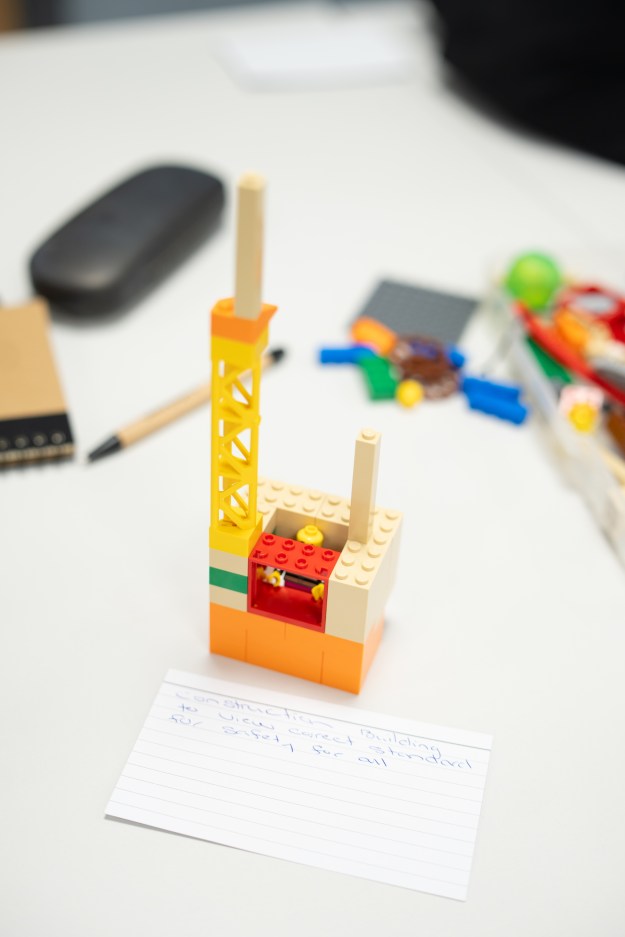
These workshops never cease to amaze me. The start is often a mix of some being excited at the prospect of playing with LEGO bricks and others being cynical for the same reason. But, once we get going people are surprised by their own imagination and creativity and the insights that they self-reveal are truly incredible. I reflected on the workshop that not only did the participants discover their own stories, their insights highlighted the power of the workshop and the benefits they got from it. It would have been powerful evaluation data.

I have a new paper out! For the last few years I have been part of an International Association of Hydrological Sciences (IAHS) working group on science communication, part of the organisation’s HELPING science decade. The paper reflects the collective work of the group – expertly led by Christina Orieschnig and Soham Adla – and provides a summary of science communication in hydrology and tips to make sure it is effective.

Honestly, many have put a lot more working into this than I have but I’m proud to have contributed and to have my name attached. You can read the open access paper in Hydrological Sciences Journal.

In the last few weeks the organising committee of the European Geoscience Union General Assembly has been working hard wrangling nearly 20,000 abstracts into a conference programme. With 14 abstracts, Games for Geoscience fell just below the threshold for a full science session (talks + posters) so instead this year the session will be PICOs.

I’m a little disappointed as the session usually has a good involvement with those attending virtually, and I have found the poster and PICO sessions far less accessible for virtual presenters and attendees than talks. But, I’m still looking forward to another awesome session and of course, the world famous Geoscience Games Night will be back too!

Next month’s newsletter will be devoted to EGU, including the full programme for the Games for Geoscience session and sharing the contributions I’ll be making at the conference – my first as a academic since before the Covid lockdowns!

See you in April!

Chris

Views expressed in this newsletter are mine and do not represent those of my employer. Content and links are provided for informational purposes and do not constitute endorsements. I am not responsible for the content of external sites, which may have changed since this newsletter was produced.

Get this newsletter sent directly to your inbox each month:

My journey as a trustee - challenges and insights

My Journey as a Trustee: Insights and Challenges

As I write this, it is currently Trustees Week in the UK – 6th to the 10th of November 2023. Trustees are at the heart of all charities. They are a special type of volunteer who provide leadership to the charity, making sure it fulfils its (legal) purpose and ensuring its volunteers and members have the support they need. This role is called governance.

To date, I have over five years of experience serving as a trustee for different charities. These roles are among the most rewarding things I have done in my career. They also provided me experiences of leadership, collaboration, and communication when I was an early-career researcher, and these have equipped me well for the challenges of my career. I have found new colleagues, new collaborations, and friends for life.

In 2015, I started volunteering as the Press Officer for the British Society for Geomorphology (BSG). This was a non-trustee position, helping the sub-committee for Outreach and Education by maintaining the Society’s social media channels and dealing with press enquiries. I was just two years out from my PhD at this point and it was good exposure to the world of professional societies, which are often small charities. I also had the opportunity to do some exciting things, like supporting a BSG exhibit at Cheltenham Science Festival with my Humber in a Box virtual reality experience.

In 2018, I stood for election for Vice-Chair of the Outreach and Education sub-committee of the BSG, to succeed my friend Annie Ockelford (difficult shoes to fill). This was a trustee position and I was elected by the BSG’s membership for a three-year term. For those three years I ran the sub-committee alongside another trustee, firstly Louise Slater and followed by Hannah Williams. The Outreach and Education sub-committee existed to promote geomorphology, careers in it, and its value to society to the public and all levels of education. Some of the core tasks were:

  • Maintaining relationships with partner organisations, including the Royal Geographical Society and the Geographical Association.
  • Issuing outreach grant awards to members.
  • Judging the Marjorie Sweeting Award for best undergraduate dissertation in geomorphology.

Much of my time in this role was affected by the Covid pandemic and resultant lockdowns. But problems present opportunities. The lack of travel saved the Society a lot of money and it needed to spend it (the Charity Commission does not like you building up excessive reserves), so I designed and ran a grant award for digital outreach and educational tools. From my own experience, outreach and science communication grants are usually small (often < £1k) and this means you can not achieve a lot. I was keen to provide something with a bigger budget and see what could be achieved. This enabled us to fund some amazing projects and create some amazing tools for geomorphologists to use:

  • Steddfod Amgen 2021 Virtual Field trips (example).
  • New developments of Virtual Glaciers (video).
  • Tayside through Time (video).
  • Coastal Explorers (video).

The Digital Resource Series was rounded off with a knowledge sharing workshop, with expert contributions from Bethan Davies, Leah Forsythe, and Chloe Leach. These recorded presentations are still freely available to anyone and I look back with pride at the knowledge we were able to capture and share through this grant call. Check out the videos, they are inspiring.

It was also in this role that I developed a love for video editing. Steve Brace, the representative from the Royal Geographical Society supporting our sub-committee, suggested making some videos introducing some of the great debates in geomorphology. These were to act as provocations to be used by teachers, showing that there are open questions in geomorphology – things we don’t understand. With the support of the membership, I started these videos and made two episodes. I enjoyed this a lot and I see this as the moment that started my journey to the Floodology YouTube channel. The events of summer 2020 led to society engaging with more important debates and I did not feel it was appropriate to continue the series then. Sadly, I did not get chance to revisit it.

In September 2021, at the end of my three-year term, I left my role as Trustee of the BSG. I did so with great memories and am pleased with what we had achieved in that time. Earlier in 2021, I had also left academia to join the Environment Agency as a Senior Advisor in Hydrology. This marked a shift in my professional focus from the mud and rocks in rivers, to the water in (and especially out) of them. I successfully stood for election as a Trustee of the British Hydrological Society (BHS) and the week after my role ended at the BSG, my new role began at the BHS.

The BHS is organised differently to the BSG and instead of having a defined role I joined as one of a group of seven ‘ordinary members’. The ordinary members are all elected Trustees, serving for three years, and each contributing to several of the sub-committees. I have had roles in the Communications and Publications and the Equality, Diversity and Inclusion sub-committees.

At this time, my wife had been helping a group apply for charitable status and had been researching charity governance in detail. This proved useful as I took in a lot of this information in by osmosis and volunteered to perform a review of the BHS’ governance following guidance from the Charity Commission. If you wish to do a similar task, I recommend the following resources:

  • Charity Commission’s Essential Trustee guidance (webpage).
  • Charity Governance Code and checklist (website).
  • The Charity Trustee’s Handbook (webpage).

Following my review, I made several recommendations that are currently being implemented by the board of trustees. This includes changing the BHS’s charitable status, creating new policy documents and codes of conduct, and restructuring the Society’s governance and volunteering set up.

On this last point, my recommendations drew strongly on my experience at the BSG and what I saw that worked well there. I consider myself a disorganised person (undiagnosed ADHD) but I also strongly believe that organisation and structure is immensely freeing and can inspire creativity (there’s a reason the blank page is the hardest place to start writing from). By giving each ordinary member a defined role, leading just one sub-committee, and supported by new non-trustee volunteers, I hope we will be able to achieve more and be more reflexive to challenges and opportunities.

My trustee role in the BHS will be as Chair of the Communications and Publications sub-committee and our key tasks will be:

  • Producing the quarterly editions of Circulation magazine.
  • Maintaining and growing the BHS social media channels.
  • Maintaining the BHS website.

But our remit does not end there. With new volunteers joining there will be new voices, fresh energy, and innovative ideas to deliver more for the benefit of the charity, for hydrology as a discipline, and for the members.

In September 2024 my term at the BHS will end. I plan to take a break from volunteering after six years at that point to focus on new things – I’d like to put more time and energy into new ventures like the FloodSkinner brand and other projects currently in development. However, I know my trustee story is not over yet and I will be back volunteering in the future when the time is right.

Being a trustee is a serious role. You take on a legal role with responsibilities and even risks. But it is highly rewarding and places you in a position where you can affect real change. It is a unique opportunity to contribute based on your skills, experiences, and drive. It is a role where you can make it what you want – just supporting the charity tick over in its day-to-day function is extremely valuable and there are always opportunities to do more.

If you’d like to know more about being a trustee, especially if you’d like my role from September 2024, please do reach out.

Exploring Slovenia: A hydrology lecture experience

Exploring Slovenia: A Hydrology Lecture Experience

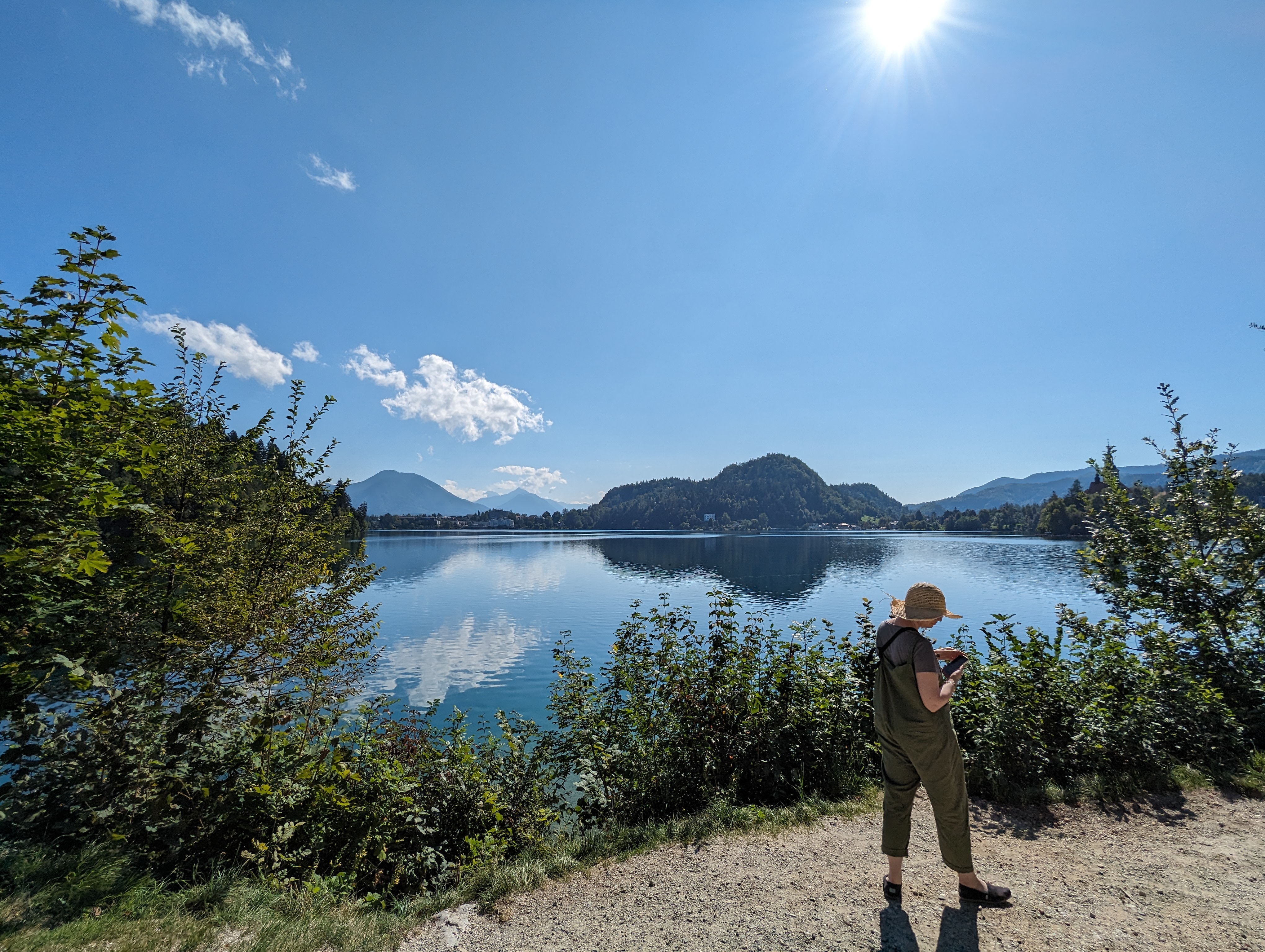
Slovenia, and its capital, Ljubljana, are beautiful. Just stunning. I just want to get that out of the way straight off! Just look at this panorama of Lake Bled to give you some idea.

I travelled there because I was invited to lecture on communicating hydrology as part of the HydRoData summer school at the University of Ljubljana. The summer school was jointly organised by the university and the UNESCO Chair on Water-related Disaster Risk Reduction.

Students on the course learnt valuable skills on collecting, managing, and processing hydrological data, including fieldwork and coding using R. My lecture fell in the middle of the week-long programme, on September 6th.

The run-in to the lecture was not ideal. I lost most of August to an awful bout of Covid (definitely not a cold!). I don’t fly so was travelling by rail and, whilst travelling out, our return leg via Milan got cancelled due a landslide blocking all routes between Italy and France. We had to quickly book a new route via Munich*.

However, I put a lot of work into my lecture and I am proud of the content I shared with the students. Titled “Hydrology. Sci-comm. Games”, I took the students through the importance of being able to effectively communicate hydrology. I drew on my backgrounds in both research and operational hydrology to discuss specific issues around that research-practice nexus.

Me presenting at the HydRoData summer school. Picture by Nasrin Attal.

I shared some tips on constructing effective storytelling and how they can use their own passions to help engage people with their research and projects. I structured the lecture around the six key attributes, or qualities, I believe society needs from hydrologists**. These are:

  • Knowledgeable
  • Technical
  • Practical
  • Playful
  • Sharing
  • Collaborative

You will be hearing a lot more from regarding these six qualities as I plan to create a set of resources around them. I’m sure they’ll feature on my Floodology channel in the near-future too.

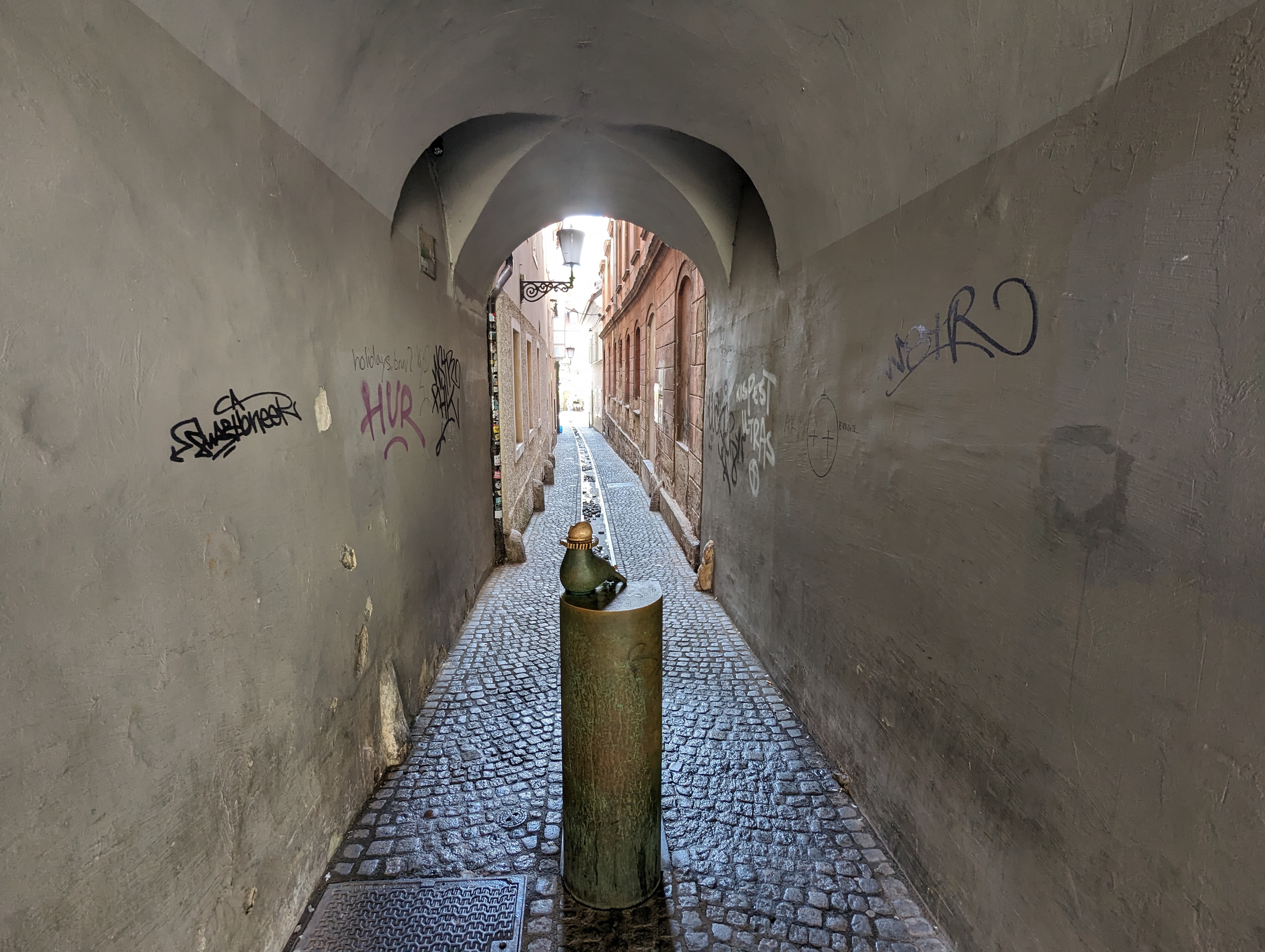
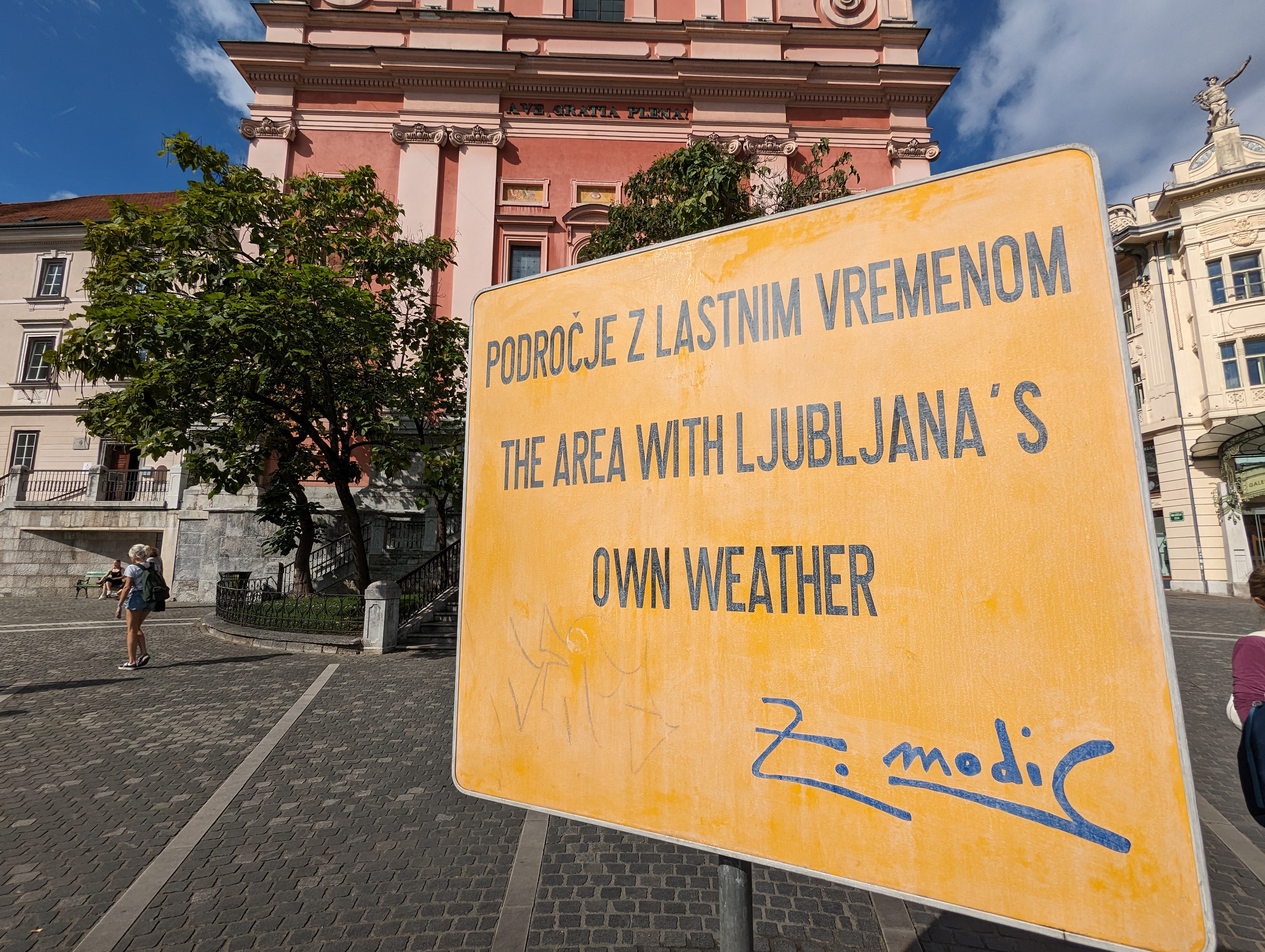
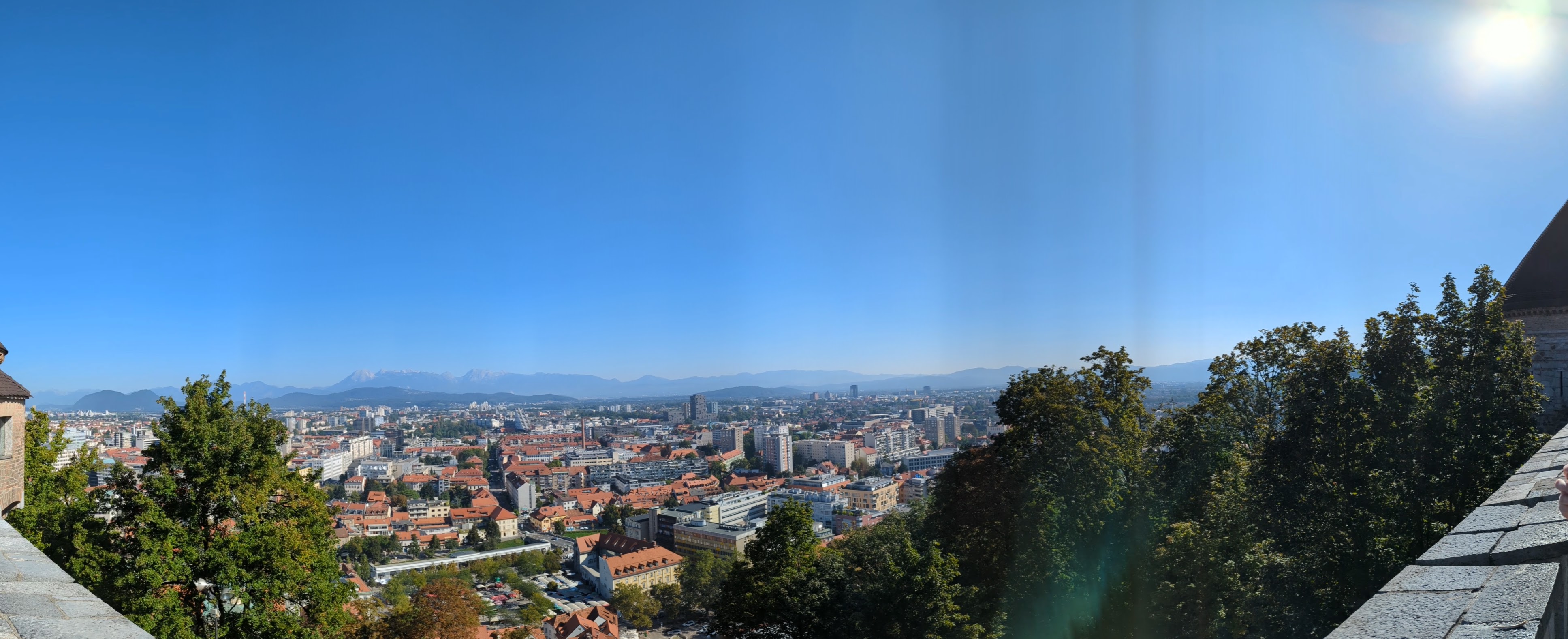
If you’d like me to share this lecture with your students or group, please do get in touch. In the meantime, here is some my awful photography that does not do Slovenia justice.

Chris

*This too was disrupted when a broken powerline closed all of Munich station. We ended up waiting nearly 6 hours for a FlixBus in a bleak car park outside Salzburg…

**Or any scientist really.

Improving environmental models - less is more

Improving Environmental Models: Less is More

I am speaking to the environmental modellers now. Imagine, you have been asked to make your model better, to improve its performance, and generally make it a more useful tool for decision makers. You have got a generous budget and free reign to do whatever you want. Just take a short moment to think about what you would do.

When you read the paragraph above, what did you think about? I am going to guess it was something along the lines of “Amazing, I’m going to add in representation of that process the model currently doesn’t have”. Maybe it was how you would increase the resolution of the model or how you would collect more data to add into it.  I am also going to guess that you did not think about what you would take away from your model.

A recent study by Adams et al (2021), published in Nature, found that we are hard wired to solve solutions by adding things in rather than looking at taking things away, despite the fact that taking something away would have been the better and more efficient way. I really encourage you to watch the video below that nicely summarises this work.

I know when I have approached modelling problems, my go to has been to add something in, rather than to consider what could be taken away. Yet, often when we add in new processes or increase the resolutions we may improve our outputs but we also increase the complexity, resulting in slower processing speeds and increased uncertainties. When assessing the models on how useful they are to decision makers, we may have actually made them worse.

The European Centre for Medium Weather Forecasts (ECMWF) have recently upgraded their Integrated Forecast System. One of the improvements they made is a great example of taking something away to solve a problem. Previously, they had stored numbers using 64-bits of memory within their computers. Using 64-bit over 32-bit allows you to store bigger numbers, i.e., use more decimal places and increase the precision of the output. This sounds like it is better, it sounds like if you had the option to go to 128-bit you ought to as you could have even bigger numbers and even greater precision still. The flipside is that storing and computing with bigger numbers takes a tiny bit longer to do each time and when multiplied over the vast number of sums the supercomputers at ECMWF do, this adds up. They realised that they did not need that level of precision and, for many processes, using 32-bit instead of 64-bit made little different to the output. Making the switch reduced the computational load by 40%, meaning swifter, and therefore more useful, results.

Photo by Gabriela Palai on Pexels.com

This is not anything new in numerical modelling and reduced-complexity approaches are popular and long established. However, these were designed with a conscious effort to take things away and it is when we stop making this conscious effort that we default back to adding things in as a first option. This is especially true, as the video tells us, when our cognitive load is high. Next time you sit down to solve a modelling problem make sure to remind yourself to stop and think – what can I take away to make this better?

Chris

Fridays are my non-work day so I try to write a short blog post on my thoughts about environmental modelling, games, or really anything else that is on my mind. The purpose is for nothing more than the love of writing and for practice but I do hope you enjoy them. For the avoidance of any doubt, all of the views and opinions I express in these blogs are very much my own and not those of my employer.

The importance of useful models in research

The Importance of Useful Models in Research

One thing I’d really like to do in 2021 is get back into writing just for fun. Although I have written a lot academically in the last few years, my space and time to just write my thoughts had become really squeezed. I hope to use some spare time on Friday mornings to quickly put a few words together about what’s on my mind at the time and re-engage with the craft. These are my own personal views and opinions.

On the useful-ness of models

Most numerical modellers will be familiar with mathematician George Box’s quote “All models are wrong, but some are useful”. I love this quote, as even though I don’t think it was intended for numerical simulations, it strikes right at the heart of many of the issues our research community are trying to address.

Photo by Genaro Servu00edn on Pexels.com

Too often though, we don’t consider how ‘useful’ our models are. How wrong they are? Yes, we look at that all the time. We develop new ways to calculate, express, and communicate how wrong they are. We work hard on new methods and at collecting new, more, and better data so we can make the models less wrong. When we’ve done this, we have models that are either less wrong, which is good as they will be right more often, or are able to show us how wrong they might be, which is also good as it allows people to make better informed choices about risks.

When we do consider how useful a model is, it’s often in the ways discussed above. Providing decision makers with the information about how wrong a model is lets them make a better informed decision. It is more useful to them. Great, box ticked. But, in my opinion, the model does not stop there.

Photo by ThisIsEngineering on Pexels.com

In a recent post for CIWEM, Phiala Mehring, a floodie, research director, and PhD researcher, discussed how we communicate with communities affected, or at risk of being affected, by flooding. It’s a really important post so please go read it here. There was one paragraph that really stood out for me:

“Imagine having lived in your home for three decades, to have a complete stranger knock on your door to say you are at risk of flooding “because the flood model says so”. What do you believe; a model that simulates the area – or your lived experience of more than 30 years?”

In this situation, to this audience, it does not matter how precise and accurate that model had been made. All the effort and hours put in developing methods to communicate how wrong the model might be do not matter either. It also does not matter how useful decision makers found it. Here, in this situation, the model is useless.

How we utilise model results when working out in the real-world communicating flood risk is a crucial facet of the model’s development and its use. It’s just as important as finding reliable and accurate rainfall information to input into it right at the start of the chain. And it’s the reason we should always measure our models by that one criteria George Box proposed to us – how useful they are.