Author Archives: FloodSkinner

Unknown's avatar

About FloodSkinner

I am a geoscience researcher, educator, and content creator specialising in water, computer models, and games.

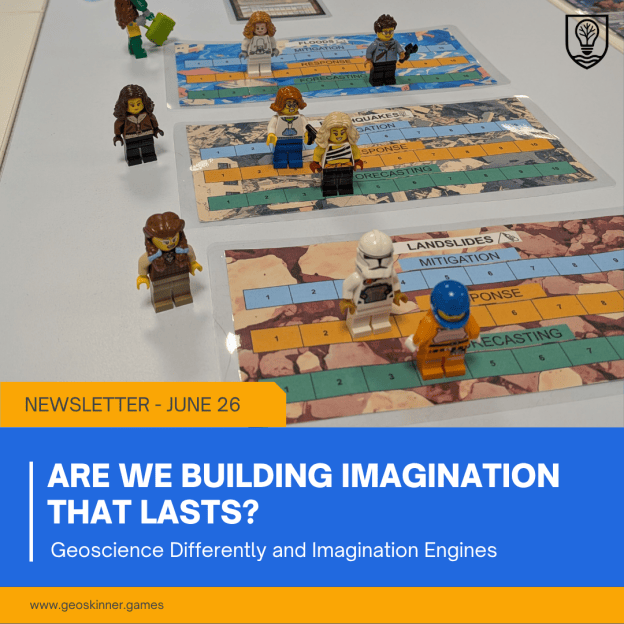
Are we building imagination that lasts? Geoscience Differently and Imagination Engines.

Imagination Engines and Infrastructures – June 2026

This month my understanding of imagination has been challenged and made me reflect on my past work. Are we investing in ways that sustain its impact or just creating moments? Find out more below.

Welcome to June’s edition of the GeoSkinner newsletter, just in time! It is marking season and the volume of concentrated reading is something my ADHD brain struggles with. Forcing myself to focus, along with the emotional drain and worrying about being unfair to students, has triggered a couple of migraines. But hey, I got here in the end.

Regular readers of my newsletter will appreciate that imagination, and its importance to science, is a common theme. We need well-developed imaginations so we can envisage problems, identify solutions, and collectively find alternative futures that give us the hope that they can become reality.

My interest in, and research on, imagination has been inspired and shaped by my former mentor and all-round science hero, Professor Hannah Cloke OBE. Hannah has been talking about how crucial imagination is to disaster communications for years and recently gave a brilliant keynote The Climate Futures We Dare to Imagine – click the link to watch it on YouTube or read her related thoughts in this article for The Conversation.

In both, Hannah introduces the concept of imagination infrastructure to a flood management context as “the building blocks of society’s shared understanding”. She goes on to describe how a flood warning or a photograph of a flooded street can act as imagination infrastructure.

Last summer, I was equally inspired by the Interrogating Imagination Infrastructure report from Joseph Rowntree Foundation. I used the ideas from the report to help develop my ‘Play your Research’ workshops, encouraging early career scientists to think of their work as imagination infrastructure.  The report describes how the idea emerged to help frame the resources that help communities collectively visualise alternative futures. It also describes how the rapid growth in research using imagination infrastructure has led to the use of many different terms, frames, and directions.
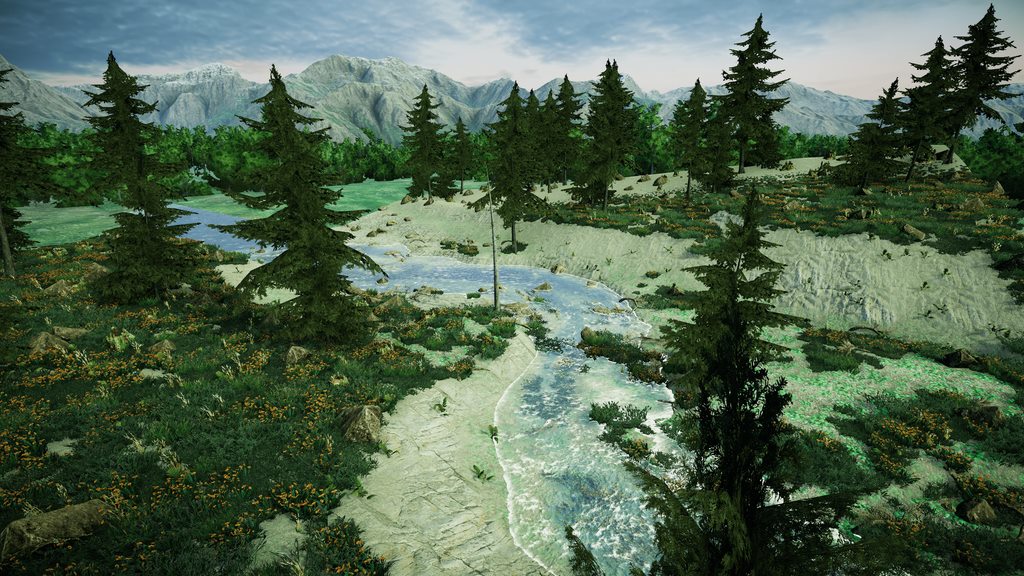
A river valley in computer graphics
Can Flash Flood! be considered imagination infrastructure?

On the one hand, imagination infrastructure is used to describe anything that provides support to people’s imaginations – a warning, a story, a photo, for example. Here, the structural element is applied cognitively. Through showing someone a photo of a familiar yet flooded street, you provide them the cognitive structure to visualise what this might be like on their own street. Thus, the photograph becomes the imagination infrastructure.

However, Interrogating Imagination Infrastructure implores us to think “infrastructurally” about imagination, where infrastructures: are created by and support social practice; can be ‘hard’ (e.g., roads) or ‘soft’ (e.g., movement of information); are shaped by regulations and standards; and, require maintenance. In this understanding, imagination infrastructures are something more than cognitive structures, they are the way they are created.

I find thinking infrastructurally about imagination a useful idea. It calls on us to be deliberate in investment, to continuously support and maintain, and to pay attention to who, and who does not have access. It tells us that building true imagination infrastructure isn’t just building moments, it’s building something that lasts.

Considering this led me to a distinction that I found useful – where the infrastructure exists to build and, importantly, sustain imagination over the long-term, individual resources should instead be considered as imagination engines:

  • The flood warning is an engine – the processes and models that produce and distribute it is the infrastructure.
  • The photo of the flooded street is an engine – the means of capturing, collating, and disseminating such images is the infrastructure.

This distinction might seem arbitrary1, but it provides a useful reflection on practice and its usefulness. My own past work has involved creating lots of imagination engines, for example the Flash Flood! VR experience2.
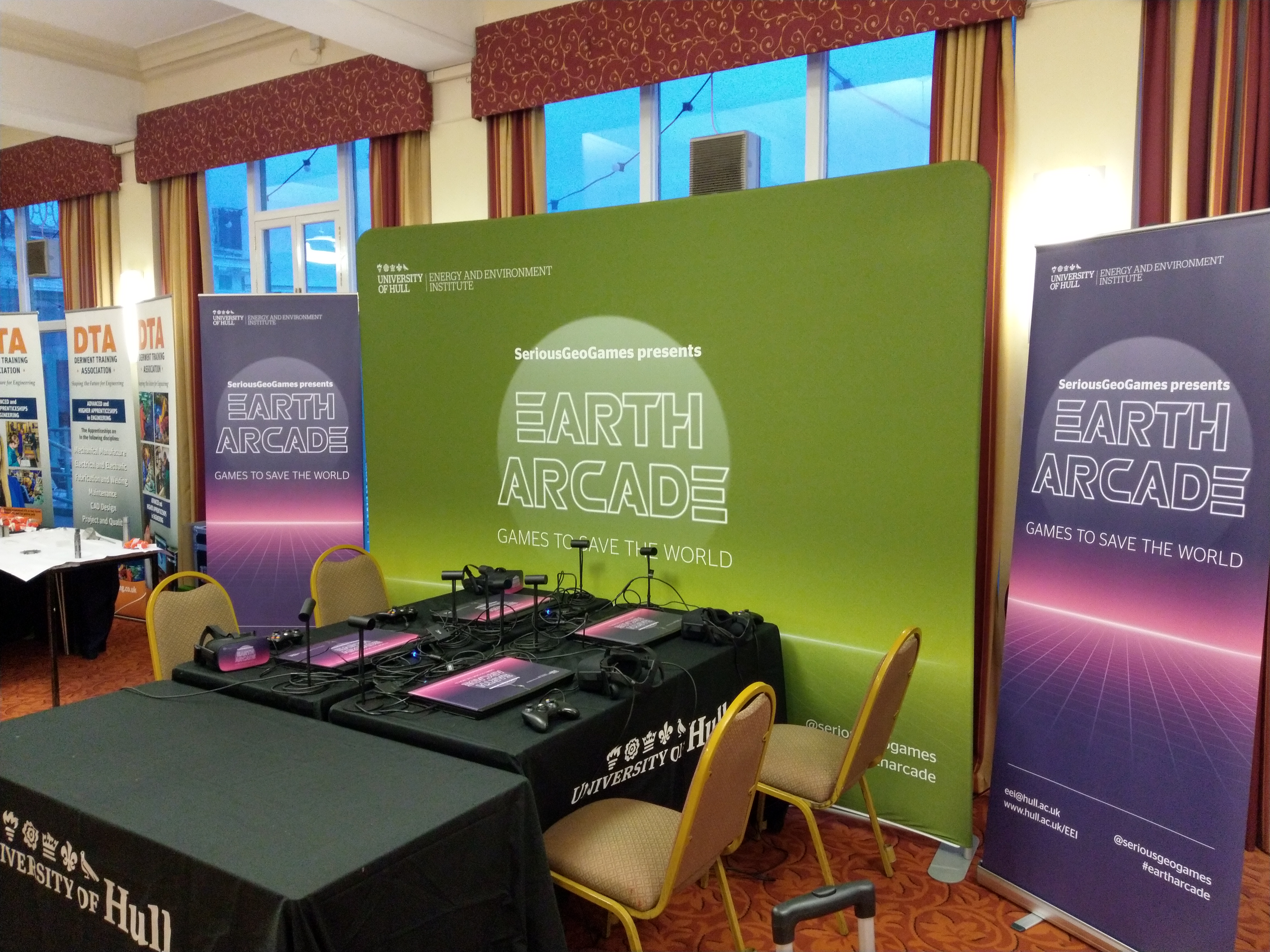
Laptops on a table as part of an event, surrounded by Earth Arcade banners.
If Flash Flood! was an imagination engine was the Earth Arcade imagination infrastructure?

As an activity, Flash Flood! helped people visualise what a flood might look like in a virtual river valley and it made people more interested in learning about flooding – it was an imagination engine. However, it was not supported by imagination infrastructure and that limited its impact. The experience itself has not been used for years and it is likely obsolete for newer VR headsets. To have got the most out of the project, I would need to have put more effort into the infrastructure surrounding it – on reflection, this is what my Earth Arcade project could have been.

This does not mean that imagination engines have no value or are inferior to imagination infrastructure. In fact, they are both vital. The engine is the motor that gets the imagination running, the infrastructure is the open road that sets it free.

I’d love to know:

Are you building imagination engines or infrastructure in your work? Or, do you think the distinction is not helpful? Let me know in the comments below.

1Interrogating Imagination Infrastructure itself warns that the term could become problematic if not applied metaphorically.

2Incidentally, only possible thanks to Hannah’s support, encouragement, and funding via the NERC-FFIR programme.

Dangers & Dwellers is a group roleplaying card game created by Games for Geoscience regulars Emanuelle Intrieri, Samuele Segoni, and Francesco Cardi from the University of Florence (L’Università di Firenze). The action takes place on a fictional island that faces many hazards, including floods, hurricanes, and earthquakes, and players (or teams) assume roles in the island’s governance and take actions to manage the risks. You win if you reach the end of Turn 6 with your island’s happiness, wealth, and population all above 0.
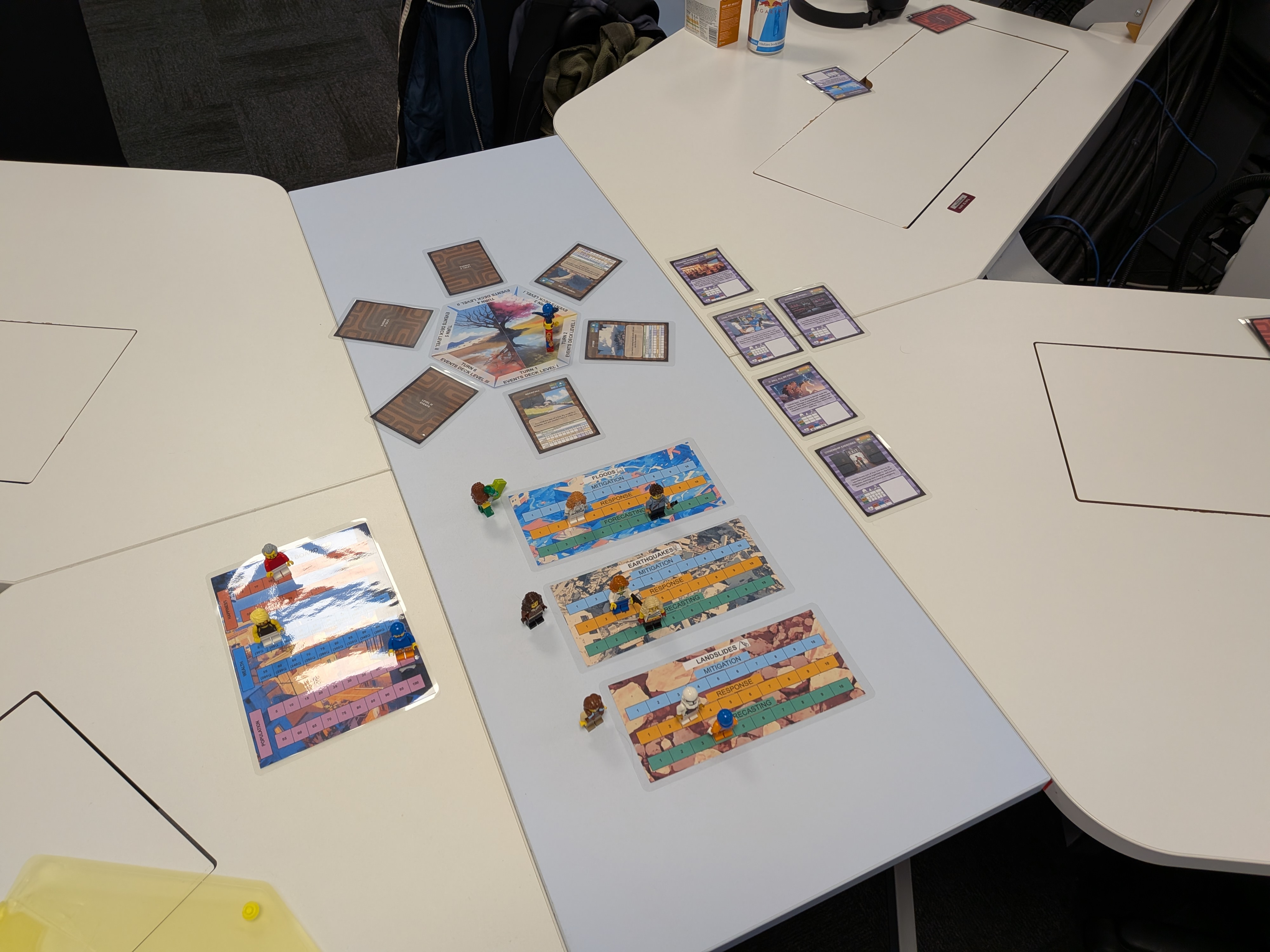
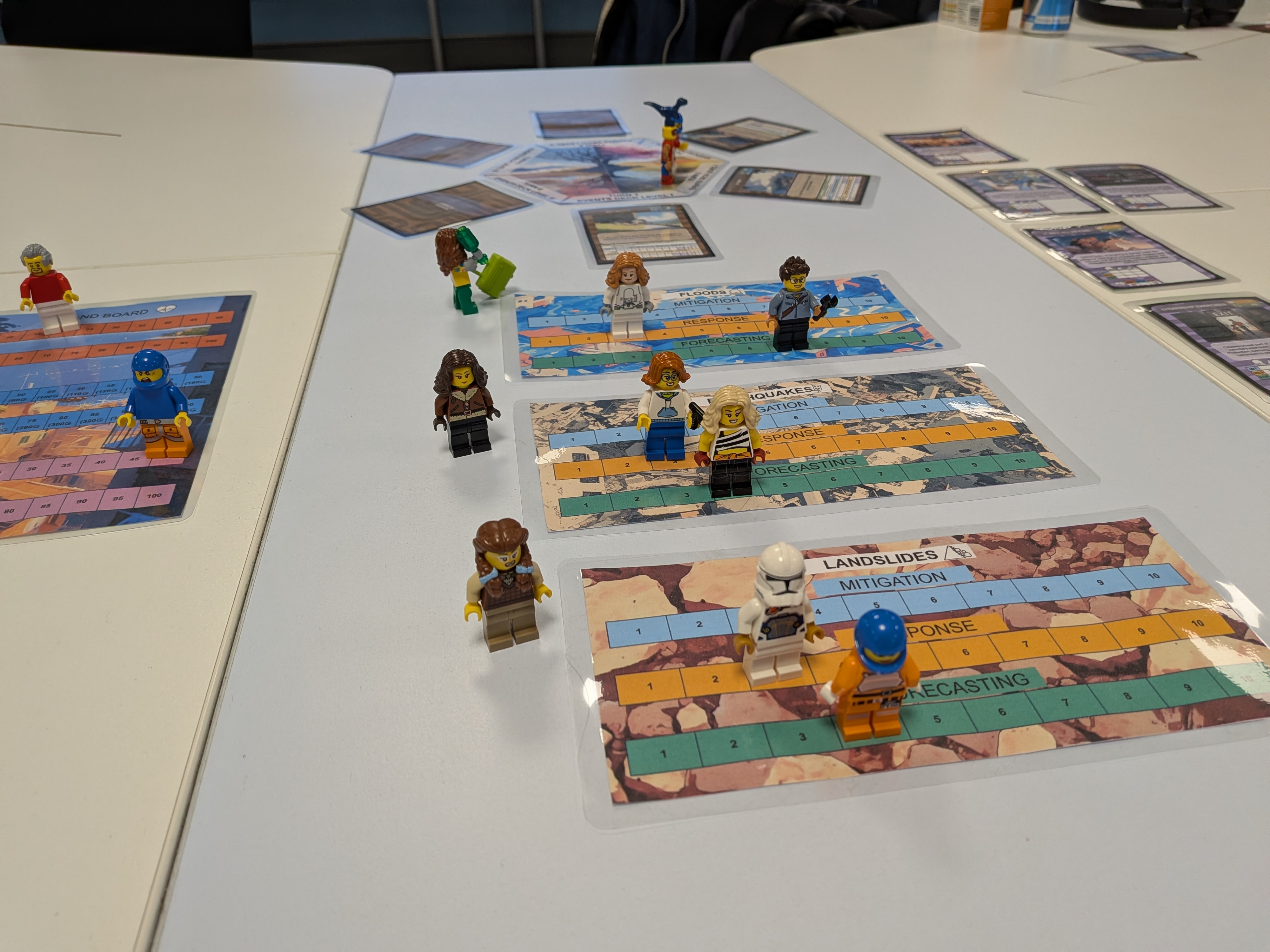
I was sent a print & play version of the game and after a long evening of printing, cutting, and laminating, I played the game with my 2nd-year Environmental Hazards students. In the first attempt, still figuring out how to play, we were out of the game by turn 3, but on our second go we were equipped with better strategies and only lost on the final, big, Level III hazard.

The game was fun to play and benefitted from multiple attempts. It demonstrates the balance of hazard likelihood and impact, different priorities across different groups, and the cumulative impacts of multiple hazards well in a ‘show, don’t tell manner’. Unfortunately, with only two hours I did not get a chance to run a debrief with the students but this was a very enjoyable way to finish the module for the year.  

Do you know a geoscience-themed game I should play?

I have uploaded six new videos to the GeoSkinner 360 channel. This channel is dedicated to only 360 videos, where you change the viewing angle within the video. The six videos were all filmed whilst I was in Edinburgh with our 2-year students and cover several sites that we visited or they used for their projects. Below is a preview of a flood tour I took down the Water of Leith – to get the most of the video, view it using the YouTube App on a mobile device with the highest resolution you can make work.

These videos are part of the imagination infrastructure for my teaching. Students need to design research projects in these sites having never visited them and these videos form just one of the resources available to them to imagine what that would look like.

GeoSkinner’s (mostly) monthly newsletter is for geoscientist students, researchers, educators, and communicators wanting to do things more imaginatively.

With each newsletter, you will find:

  • Geoscience Differently: A big idea about doing geoscience differently
  • Imagination Engines: Examples of inspiring and creative work by others
  • Behind-the-scenes updates from my projects and signposting to useful resources

If you’re interested in geoscience, games, and creativity, you’re in the right place – subscribe below to get the newsletter sent directly to your inbox.
Newsletter May 26 - Tis the most wonderful time of the year. Play for the Planet, EGU, 360 videos, and keynotes.

Tis the most wonderful time of the year – May 2026

I love Easter. Not least because my birthday is at Easter, but also the weather is finally beginning to pick up and the sun reintroduces itself to us, it’s Eurovision time, and the football season is reaching its apex. What a joy it was to see my local team, York City, win promotion to the football league in the most dramatic way possible!

Mainly though, it is because so many of my personal annual highlights seem to converge on this time. Obviously, there’s the General Assembly of the European Geoscience Union (aka EGU), which I have been attending for over 15 years now and whose staging oscillates between late March and mid-May. Since we started the Geoscience Games Day in 2018 it has become something very special to me and I’d be devastated not to have it as a fixture in my diary. In the last three years, I’ve added the Play for the Planet meeting to my Easter scheduling.

Play for the Planet is a network organised by the University of York (known locally as just Uni of) through their York Environmental Sustainability Institute (YESI), focused on the use of games to work towards more sustainable futures. They host an annual meeting in York each year in April and it has grown massively since is started in 2024. I have had the pleasure of attending and presenting at each of the meetings, and getting to sample the brilliant games people bring along. I have a huge amount of gratitude to the team for what they have set up.

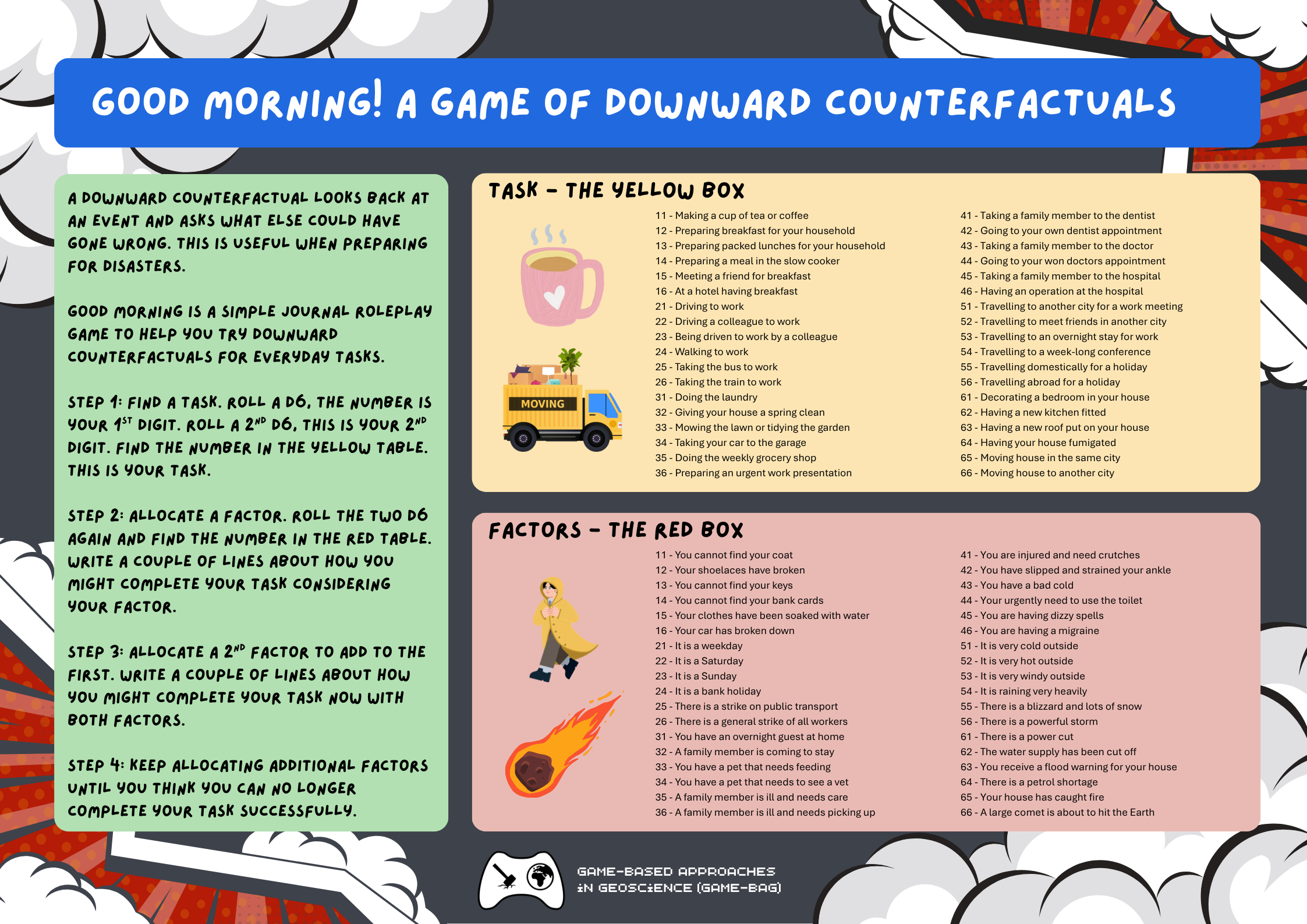
A guide to playing the game Good Morning, a game of downward counterfactuals.

On the surface, I presented about my game Good Morning!, which I developed quite a while ago but have recently adopted it as a way to help my Environmental Hazards students get their heads around downward counterfactual thinking. In reality though, I really presented on my experiences as a neurodivergent gamer. I am self-diagnosed ADHD and I find playing games with other people difficult, including:

  • Having to maintain focus on the game
  • Finding conversation difficult as I’m hyper-focussed on the game
  • Cognitive demand of having to keep track of the game and conversations
  • Getting impatient waiting my turn
  • Worrying I’m not taking the game seriously enough – making too many jokes
  • Worrying I’m being too competitive (I don’t like losing)
  • Worrying I’ll make an obviously wrong move and look stupid
  • Worrying I’ll get bored and have to commit to playing the whole game
  • Not being able to get up and move around

Ultimately, even if I am enjoying a game I will also be feeling anxious and trapped, so the end of a game also comes a sense of relief that it is over. The last thing I want to do is play it again – remember, this is even though I probably had a lot of fun, I’m just drained… This is a problem for me, as the vast majority of games are multi-player, and many games with an environmental or sustainability theme are co-operative.

I figure I can’t be the only person to feel this way about games, so I have been exploring solo-play games, particularly micro- and journaling style roleplay games. Good Morning! was my first, but hopefully not the last.

EGU was actually really hard for me this year. I felt ill (I think because of food intolerances) and I had a hotel room without an opening window so I did not sleep well in the airless, stifling warmth of it. I ended up having to manage my energy levels well meaning I did not make the most of it as I would have hoped.

We had another brilliant and successful Geoscience Games Day at EGU. Presentations this year were via a PICO session, a format I think works very well for games. Each presenter has the chance to present for two minutes (a lightning talk) with just two slides, before they then present an interactive presentation (the viewer gets to change the slide and the author guides and answers questions). I think this would be my default choice for the session if those presenting virtually were better embedded into the session – for some reason, their interactive presentations were not displayed on the screens…

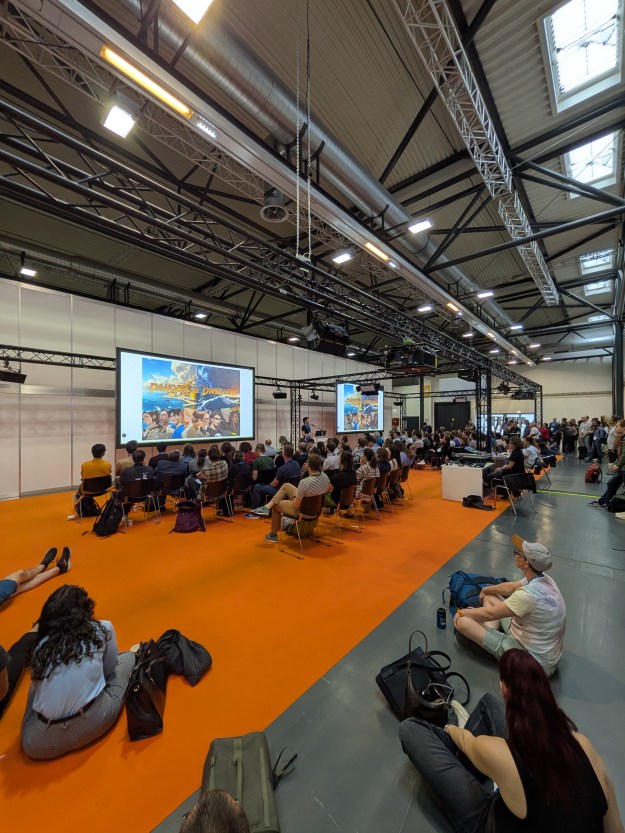
This was well attended, like it is every year, with people having to stand or sit around the edge of the space to view the presentations. Thank you to François Dulac of the Climate Tick-Tock team who counted attendance at 207!

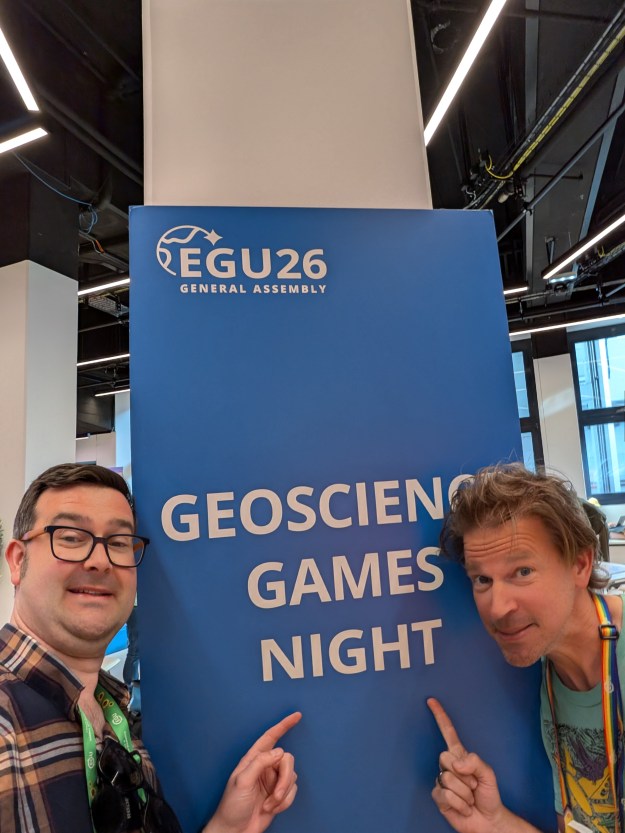
  • Myself and Rolf Hut posing in front of a sign for the Geoscience Games Night.
  • A few from the back of a presentation room. People sit on rows of chairs in front of large screens.
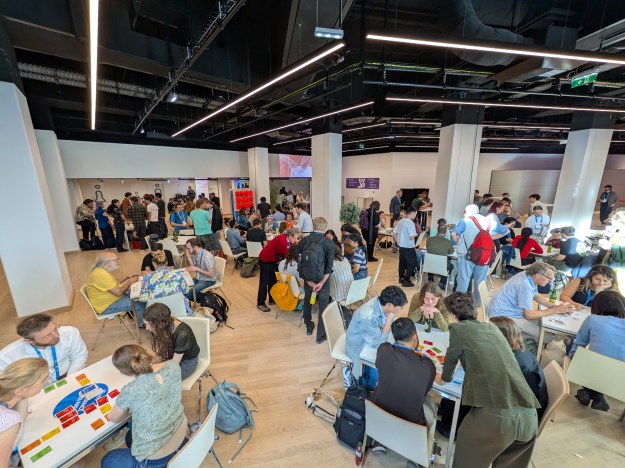
  • A busy room of people playing tabletop games.
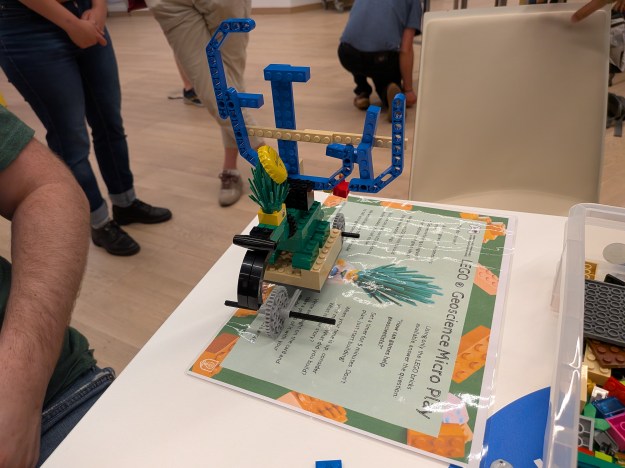
  • A Lego Model of a vehicle and the words EGU

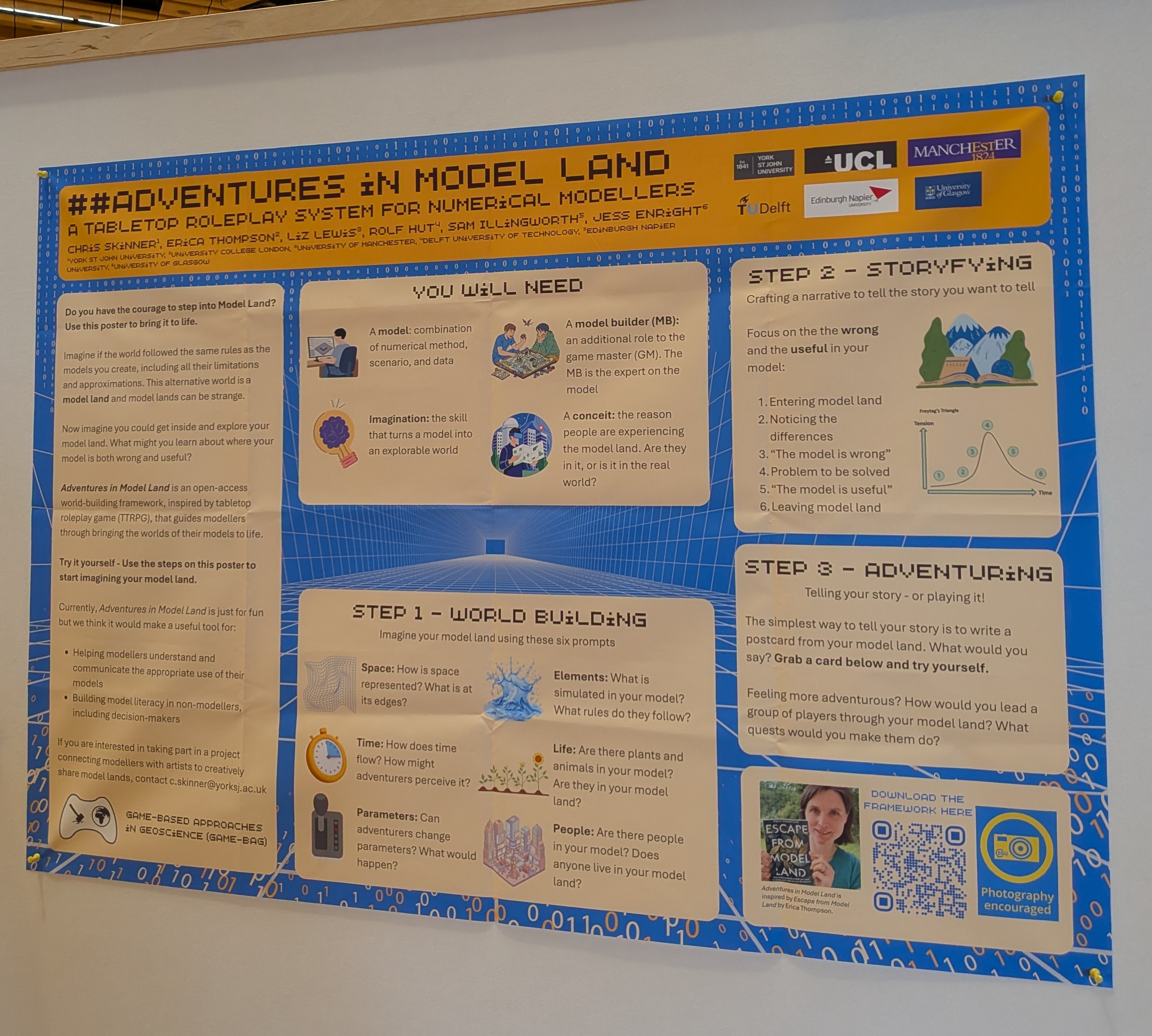
The Geoscience Games Night that followed immediately after the session was also a success. We don’t have a head count but I’d estimate in the order of 200-300 attended also. It was nice to be able to bring my own games this year, including Adventures in Model Land, Good Morning!, and my geoscience-themed LEGO® Micro Play.

Both of my presentations at the conference fell on the Friday afternoon of the conference and I think both went well (any landing you walk away from is good, right?). The first was a talk about the work we’ve done establishing a neurodivergent network within the EGU – with 20,000 people attending the conference, it is likely 3,000-4,000 will be neurodivergent in some form, yet there was no group to represent their voice and needs. Now there is and it is good.

After, I presented Adventures in Model Land in a hard-core modelling session. This was a risk, as I could have been laughed out of the poster hall, but actually it was well received with much enthusiasm. I left feeling encouraged, which was a much needed pick-me-up after the difficult few days in Vienna.

My Adventures in Model Land poster with a guide to building a model land.

EGU 27 will be the tenth Geoscience Games Day, all being well. At the moment, I don’t know where my funding to attend will come from but I am working on it!

My teaching is winding down for the semester now, and by late May will be over. It definitely feels like that time of year where the teachers roll out the big telly and show you documentaries about Sheffield’s out of town shopping centre, Meadowhall (apparently it was supposed to be Godzilla but they got the wrong tape). In the last few weeks, we’ve been away in Edinburgh with the 2nd Years and I used the opportunity to capture 360 footage for virtual field trips and YouTube. Being in Vienna, I too used the opportunity to capture 360 footage and planning a video tour of the four Danubes. I will get to use these videos in my teaching, using a pseudo-social story approach to help them prepare for being out in the field.

I was very excited to be invited to talk at this meeting by my former-PEGASUS project partner, Dr Fredy Santiago Monge Rodriguez. My presentation, titled ‘The role of imagination in planning for and mitigating natural hazards’ explored the use of games as imagination infrastructure in disaster risk reduction (DRR). This was the perfect chance for me to collate my thoughts, reflecting on what I learned at EGU too, before I sit down in the summer and map out my future research plans. More on this soon.

My YouTube channel has been very quiet of late. In fact, one viewer actually left a comment asking if I was still alive. With summer approaching, I hope to have a week or so where I can make some videos, so expect a small flurry before months of radio silence again!

That’s all for this month, stay dry out there.

Oh, you want my Eurovision predictions for the UK entry do you? I like it, it’s fun, it’s catchy, and the live performance and staging is great. It reminds me a bit of Who the hell is Edgar, Austria’s entry in 2023 by Taya & Selena. It finished 15th with 120 points, with only 16 from the public. I’d expect something similar. Not nul points but also not the left-hand side of the leaderboard.

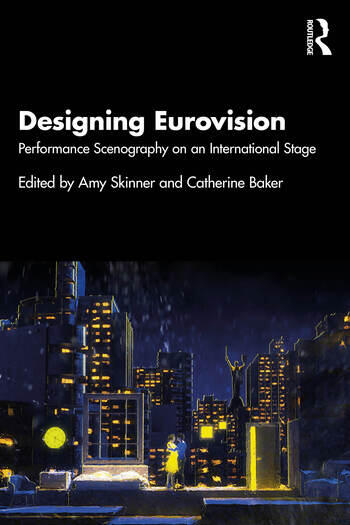
Oh oh, by the way, my awesome wife Amy just happens to have a book out now about the stage design of Eurovision – check it out!

Cover art for the book Designing Eurovision: Performance Scenography on an International Stage, edited by Amy Skinner and Catherine Baker.

Views expressed in this newsletter are mine and do not represent those of my employer. Content and links are provided for informational purposes and do not constitute endorsements. I am not responsible for the content of external sites, which may have changed since this newsletter was produced.

Find me at EGU26. Presenting, research, 360 videos. Including Games for Geoscience updates.

Find me at EGU26 – April 2026

This last month has seen me survive my first half-semester of full-time teaching. The job feels like it fits me like a glove though and I am definitely in my happy place in the classroom. Teaching weeks can feel relentless, delivering your material and making sure you have stuff prepared for future sessions, as well as keeping on top of the many admin tasks. My ADHD brain works best when it is this just-in-time mode of working but the sustained focus is exhausting. The Easter break therefore has been very welcome!

As well as time off, I have had a bit of space to prepare some teaching in advance, aware that I am away for two weeks in the next month and need to get ahead. I’ve also had a little bit of time to think about research, beginning conversations with collaborators about an exciting new project for the summer – more on that in a future post, I’m sure.

The EGU general assembly is a big date in my annual diary. If I’m honest, it’s the highlight of my year and something I really look forward to. I’ve been very fortunate to have been awarded internal funds from York St John University to attend this year, and I am set to have a busy week, as I explain below.

I will be attending virtually on Monday 4th May, travelling Tuesday 5th, and attending in person Wednesday 6th to Friday 8th, travelling back on Saturday 9th May. If you’d like a catch-up/chat, please get in touch at c.skinner@yorksj.ac.uk and we can put something in the diary.

Most importantly, I am delivering two presentations, both on Friday 8th May:

EGU26-13186 | Orals | EOS3.2 | Fostering connection and advocacy: Creating a neurodivergent network at EGU  | Christopher Skinner, Simon Clark, Ana Bastos, Lucile Turc, Arnaud Beth, and Ana Cristina Vasquez | Fri, 08 May, 14:15–14:25 (CEST)   Room -2.92

At EGU25, a bunch of us discussed starting a network to support neurodivergent geoscientists. We also ran a survey to capture the experiences of neurodivergent attendees at the conference. It led to the start of an online community and the submission of a report to the EDI committee. In this presentation, I will talk about this experience.


EGU26-5395 | Posters on site | HS2.2.7 | Adventures in Model Land: Using tabletop roleplay games to explore the abstract worlds of numerical models  | Christopher Skinner, Erica Thompson, Jessica Enright, Rolf Hut, Sam Illingworth, and Elizabeth Lewis | Fri, 08 May, 16:15–18:00 (CEST)   Hall A | A.1

If you have been reading my newsletter for a while, you will be familiar with Adventures in Model Land already (if not, read more here). Last year I shared a poster in the Games for Geoscience session and this year I’m presenting to modellers in one of my favourite sessions, led by Diana Spieler.

On Adventures in Model Land, I will be seeking interest in a project pairing modellers up with artists to conceive and create new model lands. If you’d be interested, please get in touch using c.skinner@yorksj.ac.uk

In addition, I’m involved in two other presentations that will sadly happen on days I’m not there or am travelling:

EGU26-13856 | ECS | Posters on site | GM3.3 | The role of sediment transport in amplifying flooding | Josh Wolstenholme, Christopher Skinner, Christopher Hackney, Matthew Perks, and Daniel Parsons | Mon, 04 May, 10:45–12:30 (CEST)   Hall X3 | X3.13

This is some really exciting modelling work led by Josh that reveals how sediment transport during a single flood event can exacerbate flood risk. These are processes not represented in traditional hydrological and hydraulic models used for flood risk planning and forecasting, potentially meaning we are underestimating real flood risk.

EGU26-18054 | Orals | EOS1.1 | Communication within the UK flood hydrology community: bridging the gaps between science and practice  | Linda Speight, Emma Ford, Anita Asadullah, Louise Slater, Sally Brown, Helen Harfoot, Owain Sheppard, Chris Skinner, Clare Waller, and Thomas Willis | Tue, 05 May, 10:00–10:10 (CEST)   Room 0.15

This work, led by Linda, shares research conducted by the Science and Technical Advisory Group (STAG) of the UK Flood Hydrology Roadmap (UKFHR). The work sought expert views from the hydrological community on why the latest hydrological science and approaches were not leading to innovation in operational practice, and how we can improve this situation.

In addition to my presenting duties, I will also be leading activities for the annual Geoscience Games Day at EGU on Wednesday 6th May. This will be the 9th one in a row! You can get the full lowdown over on the Games for Geoscience webpages but below is a summary of the activities:

EOS1.3 | PICO | Games for Geoscience | Convener: Christopher Skinner | Co-conveners: Rolf HutElizabeth LewisLisa GallagherMaria Elena Orduna AlegriaECS | PICO | Wed, 06 May, 16:15–18:00 (CEST) | PICO spot 4 

Activities kick off at 16:15 with our usual science sharing session, this year in interactive PICO format! This year we have 15 presentations covering both analog and digital games, each with a 2-minute lightning talk followed by an interactive display.

Geoscience Games Night @ EGU25

NET15 | Geoscience Games Night | Conveners: Christopher SkinnerLisa GallagherMaria Elena Orduna AlegriaECSRolf HutElizabeth Lewis | Wed, 06 May, 18:00–19:30 (CEST) | Foyer D 

We then immediately run off to the world-famous Geoscience Games Night. This event gets busier and busier each year, so make sure to come along and play the latest in geoscience gaming. Don’t forget to bring a game or two with you too!

As it will be the 10th anniversary of Games for Geoscience next year, I’m exploring the possibility of marking it with an edited volume or a special issue. I will be seeking interest at the conference and feel free to express interest to me on c.skinner@yorksj.ac.uk

Last year during my River Management module I used Vienna and the development of the ‘three Danubes’ as a case study. Whilst at EGU, I’m planning on using an early morning walk to capture footage with my 360 camera to make a simple virtual field trip for my students next semester. Some of that footage might even make it to a 360 flood tour on my GeoSkinner 360 YouTube channel!

A 360 flood tour of Prague on GeoSkinner360

See you in Vienna in May!

Chris

Get this newsletter sent directly to your inbox each month:

Views expressed in this newsletter are mine and do not represent those of my employer. Content and links are provided for informational purposes and do not constitute endorsements. I am not responsible for the content of external sites, which may have changed since this newsletter was produced.

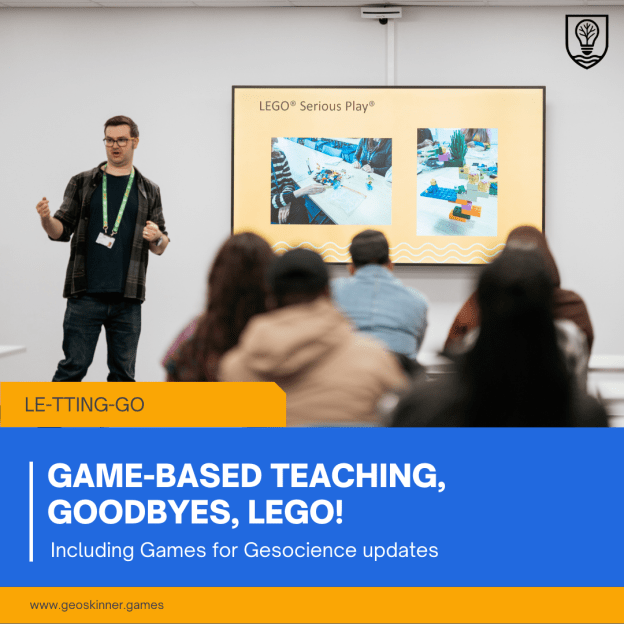
Le-tting-go – March 2026

I’ve been in my new job for two months now and I am pleased to report that I am still loving every second of it. Working with students is full of highs and lows – the last few weeks has had its share of both – but is incredibly rewarding. Although I’ve had plenty of experience lecturing and leading workshops, I’ve not had much experience of the one-to-one tutorial work and I’ve been enjoying getting to grips with this part of the job.

I am especially enjoying getting to use creative and game-based approaches for my Environmental Hazards module. This includes some of my favourite tools and also things I have worked on in the past but never really had the opportunity to use properly. Firstly, I wanted the students to appreciate how individuals had different vulnerabilities and resilience to hazards – we explored this in the context of children and young people using the Help Callum and Help Sali 360 immersive storytelling videos from the Flood Stories project. Five years on from finishing these, this was the first time I had got to use them!

Stop Disasters is absolute classic of the games for geoscience and disaster risk reduction genres. It is made for school kids really, but framed in the right way it can be useful in higher education too. I’ve already used the flood level in my River Management module to explore the ‘art of the possible’ in flood risk management, and a couple of weeks ago I used the tropical storm level in my Environmental Hazards module to allow students to try out counterfactual thinking. We also played Good Morning, a micro-RPG I wrote last year to explore how downward counterfactuals work. I was pleasantly surprised at how well it worked and a good feeling to effectively use a tool I had written.

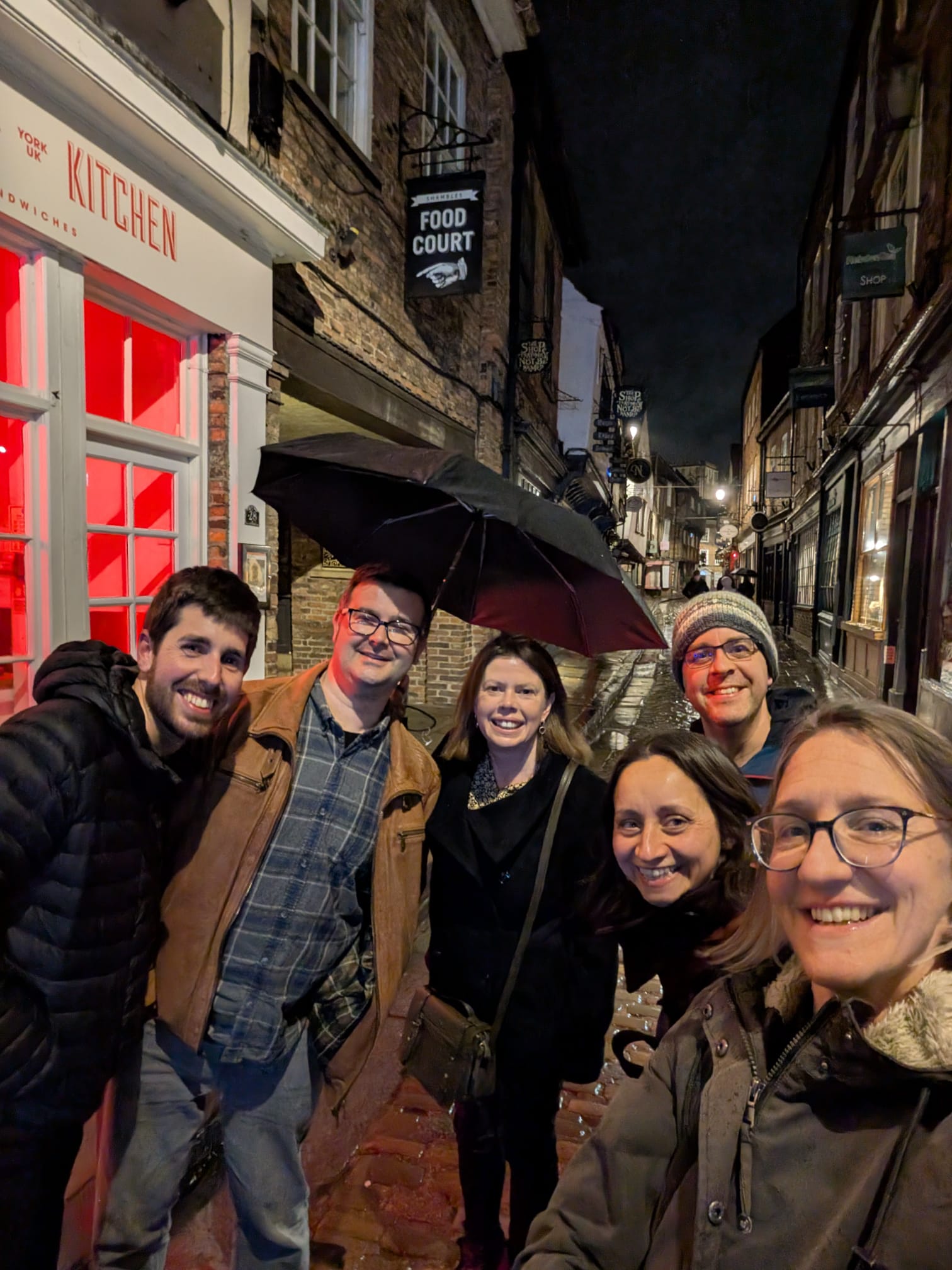
This month I also got to say a proper goodbye to my former Environment Agency colleagues from the Flood Hydrology Improvements Programme (FHIP). As a dispersed national team, we worked almost entirely remotely and only got together in-person two or three times a year. They chose to meet in York for their first meeting of 2026 so I could join them for dinner. This was such a nice gesture and I was reminded of just how much I miss them all. It still does not feel right that I won’t get to see them all regularly anymore…

Me and some of the FHIPsters in York

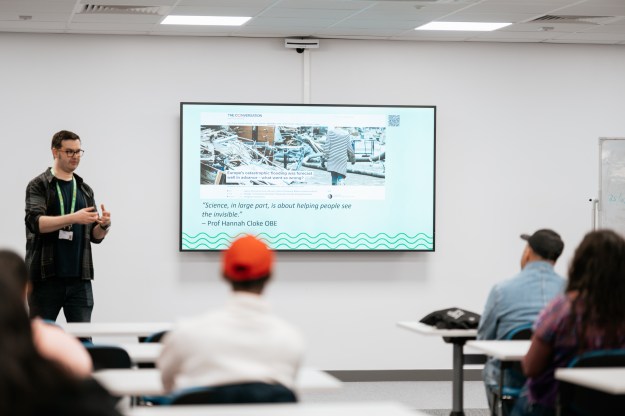
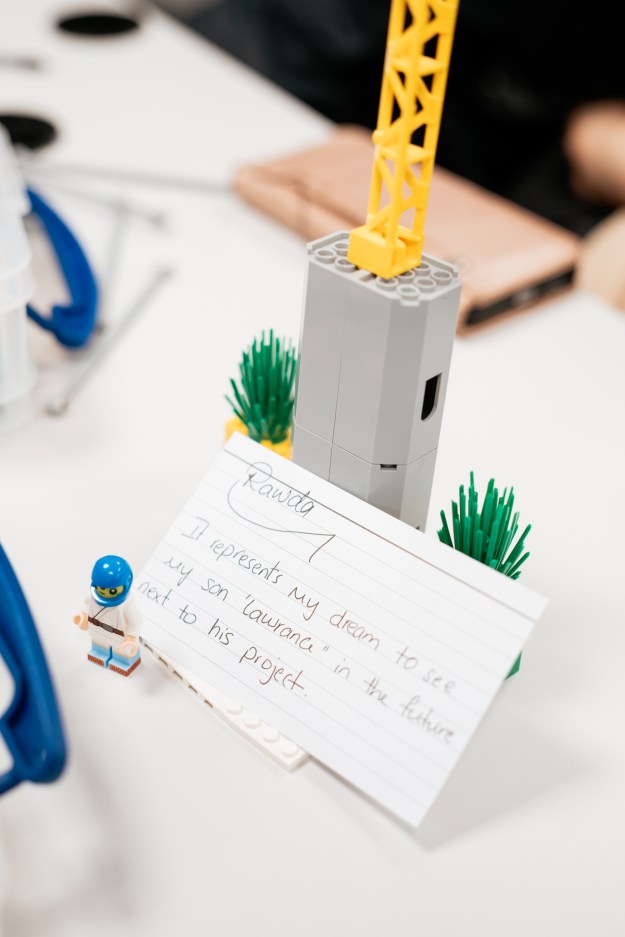
Another highlight from the last month was the workshops for the NERC EMBRACE Enviro project. Led by the wonderful Dr Olalekan Adekola, this pilot project is part of the NERC Opening up the Environment call, and seeks to engage members of the refugee and migrant communities with environmental science and careers. Over three days, two groups undertook two days of free training. This included analysing water quality in the lab, GIS, and science communication.

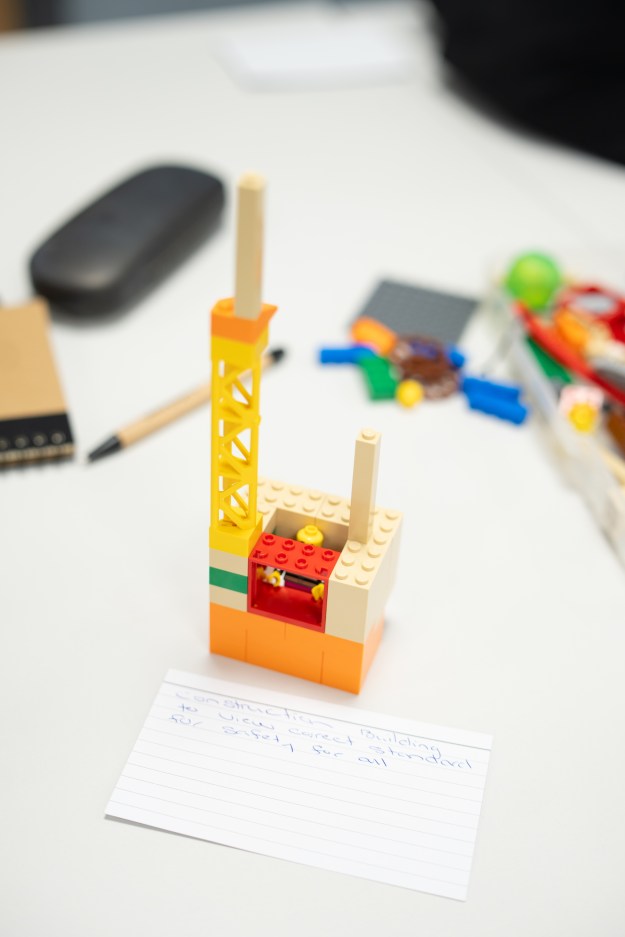
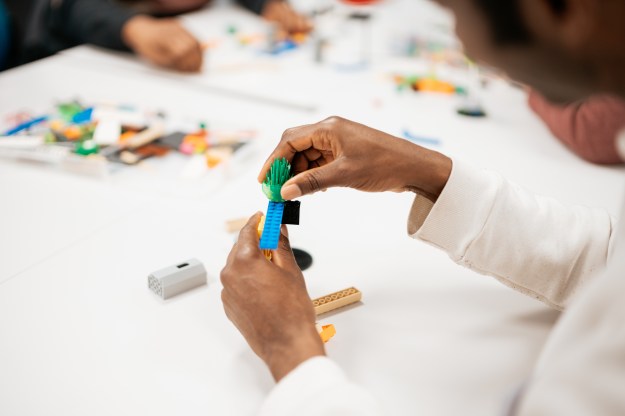
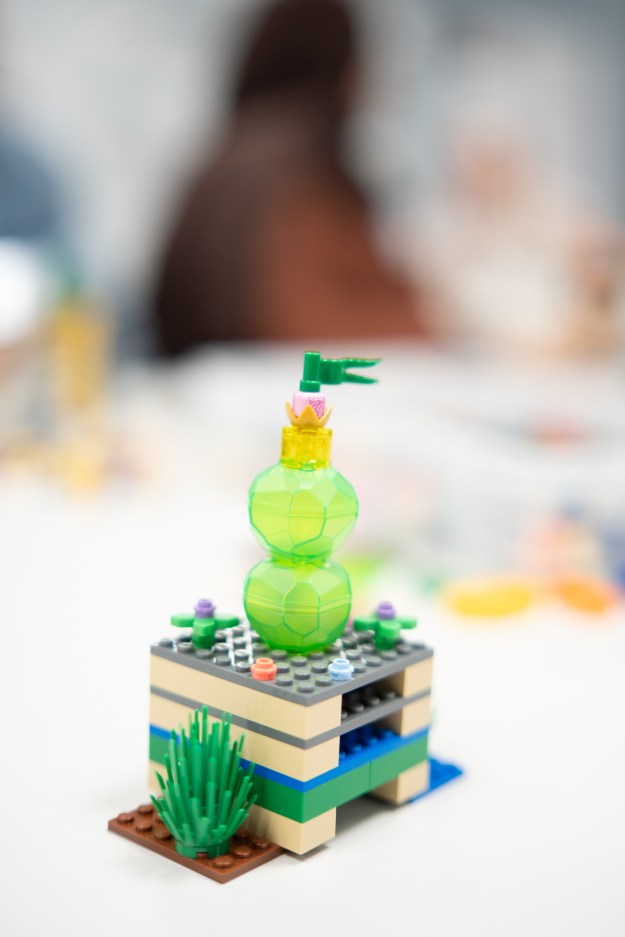
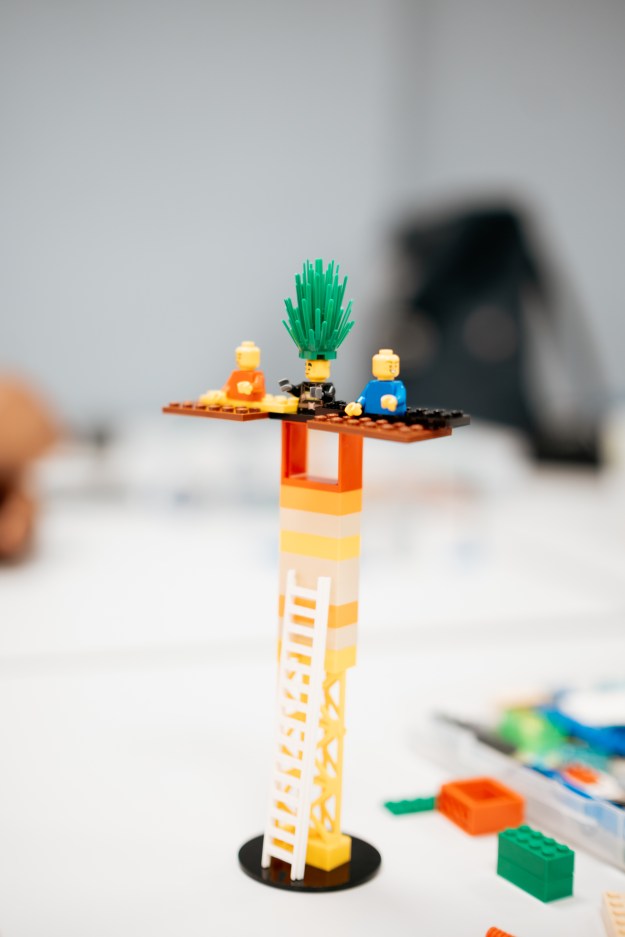
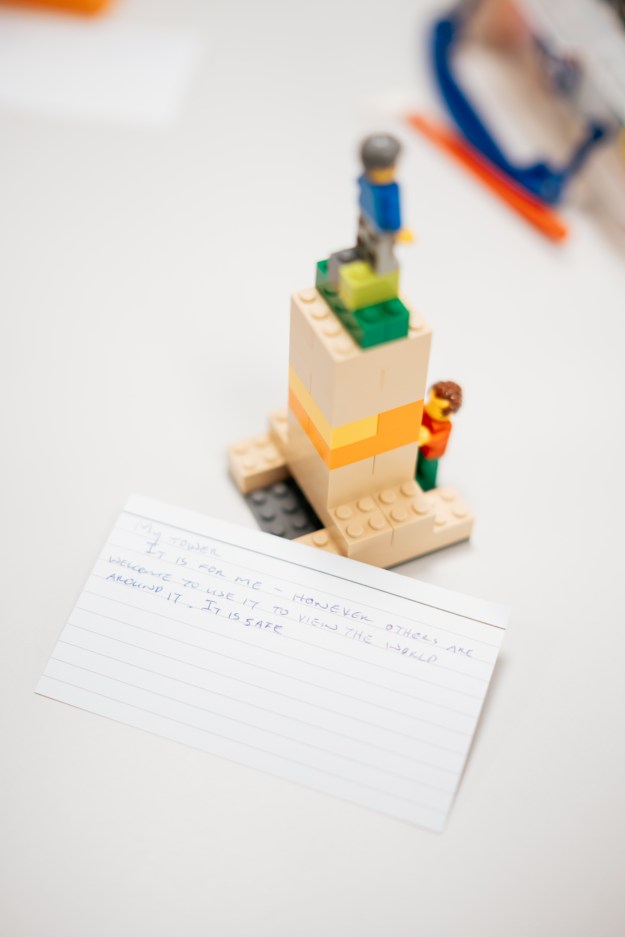
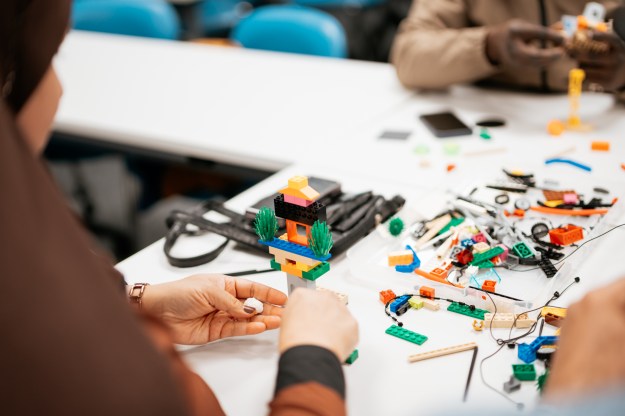
I was involved in the project in the middle of last year, long before my current role was even advertised. I was included as an external consultant – through my side quest as GeoSkinner – to support the science communication training. These workshops then were also my last act as a freelancer and were based on my LEGO(R) Serious Play(R) inspired Play your Research workshops. I helped the participants find and visualise their science and personal stories of the workshop by building with the LEGO bricks.

These workshops never cease to amaze me. The start is often a mix of some being excited at the prospect of playing with LEGO bricks and others being cynical for the same reason. But, once we get going people are surprised by their own imagination and creativity and the insights that they self-reveal are truly incredible. I reflected on the workshop that not only did the participants discover their own stories, their insights highlighted the power of the workshop and the benefits they got from it. It would have been powerful evaluation data.

I have a new paper out! For the last few years I have been part of an International Association of Hydrological Sciences (IAHS) working group on science communication, part of the organisation’s HELPING science decade. The paper reflects the collective work of the group – expertly led by Christina Orieschnig and Soham Adla – and provides a summary of science communication in hydrology and tips to make sure it is effective.

Honestly, many have put a lot more working into this than I have but I’m proud to have contributed and to have my name attached. You can read the open access paper in Hydrological Sciences Journal.

In the last few weeks the organising committee of the European Geoscience Union General Assembly has been working hard wrangling nearly 20,000 abstracts into a conference programme. With 14 abstracts, Games for Geoscience fell just below the threshold for a full science session (talks + posters) so instead this year the session will be PICOs.

I’m a little disappointed as the session usually has a good involvement with those attending virtually, and I have found the poster and PICO sessions far less accessible for virtual presenters and attendees than talks. But, I’m still looking forward to another awesome session and of course, the world famous Geoscience Games Night will be back too!

Next month’s newsletter will be devoted to EGU, including the full programme for the Games for Geoscience session and sharing the contributions I’ll be making at the conference – my first as a academic since before the Covid lockdowns!

See you in April!

Chris

Views expressed in this newsletter are mine and do not represent those of my employer. Content and links are provided for informational purposes and do not constitute endorsements. I am not responsible for the content of external sites, which may have changed since this newsletter was produced.

Get this newsletter sent directly to your inbox each month:

Promo image. All change please. Transitions. Adapting to a new job, career, and pace. Including project updates.

Transitions – February 2026

I’ve just finished presenting a webinar for the UNRISK CDT about my work with games. It was months ago when James McKay and Erica Thompson from the CDT invited me to talk, before I had even applied for my current job. So, figuring out what I was going to say was tough. Back then, I was freelance, GeoSkinner, just messing around with games because it interested me and kept me creative. Now, as an academic again, I have an opportunity to be more serious and focussed about it and do some ‘proper’ research. My presentation sat at this transition point – a collection of ideas waiting to be forged into something meaningful.

Transition, then, has been the theme of my last month, my first as a Lecturer of Geography at York St John University. Obviously, there’s been the usual transition to a new workplace: the obligatory fire safety and slips, trips, and falls training; navigating a different travel booking system; and, learning the unwritten rules of how the new place works. For example, where my old team predominantly communicated using chat in MS Teams, my new team rarely uses it and favours emails. It sounds small, but it’s been an adjustment.

But it hasn’t just been a change of job and employer, it has been a shift in sector and career. What I did not expect was how strong a sense of freedom I would feel, it has taken me by surprise. There were understandable and reasonable limits to what I could do within my previous role, which was why I maintained my interests independently. I hadn’t appreciated how difficult it was to partition my professional life in this way, until I no longer had to. If I want to explore the pedagogical value of building with LEGO bricks it is now valuable professional practice and a potential research avenue that I am encouraged to pursue, rather than something I will try and fit around work and life. Honestly, it feels like I’ve been holding my breath and now I can breathe out finally.

Another big transition has been the change in pace of the work. My old role was strategic and deadlines were defined by quarters and financial years a distance away. As an ADHDer, my concept of time is now and not-now, so strategic planning has never been my strength. I often describe my brain as like an old petrol-powered lawnmower where you keep pulling the cord to get it going but it just keeps sputtering out. It was hard to get going and without the excellent project managers I worked alongside I would have struggled big time. But, in my new role, I’ve had no option but to hit the ground running – there’s marking and moderation to do, students applying for jobs to help, and the start of teaching is looming large. I’m actually finding this change of pace refreshing, more suited to my neurotype and, as well as enjoying this, I’m finding it easy to make use of those liminal times between tasks and meetings.

This then brings me back to that transition at the start of this newsletter. This transition, shaping my interests into a cohesive programme of research, is one I am yet to crack but is something I really want to get right. Whilst I am immensely proud of what I achieved as a Research Fellow at the Energy and Environment Institute, I have always felt regret at not achieving what I would have like to and what I know I am capable of. Looking back, I can see how I was constantly battling the ADHD in my mind, even though I didn’t realise it then. This time around, the expectations and the culture are different and, crucially, I know myself much, much better.

Game-Based Approaches in Geoscience (Game-BAG)

My first project I plan to develop is Game-BAG (I love a dodgy acronym). It will bring together several strands of my work into one place with common objectives. This includes Games for Geoscience, Adventures in Model Land, and my work with the LEGO® SERIOUS PLAY® methodology. Planning is still work in progress but I’d particularly like to look at:

  • How game-based approaches are used to support education and training in geosciences (using EGU’s broad definition)
  • How game-based approaches can support the understanding and development of numerical models with modellers and technical experts
  • How game-based approaches can build model literacy in non-modellers, particularly decision-makers

Games for Geoscience

Games for Geoscience will be back for EGU 26. We got 15 brilliant abstracts and we’re still waiting to hear what format the session will be. More news about the session and the Geoscience Games Night will be available soon – make sure you check the website for updates. As with last year, I also hope to bring blogs and game profiles from those featured in the session.

GeoSkinner YouTube

Testament to how long it has been since I have provided a proper update, there is a ‘new’ video on the GeoSkinner YouTube channel that is already 5 months old… I played Terra Firma, an indie videogame that is essentially a playable landscape evolution model, the type of geomorphology model that much of my previous research made use of. Actually, it’s been so long the Dev has released Terra Firma 2 since…

I have no plans for any new videos to come soon but some ideas I’d like to explore. Going forward, my videos will probably be more closer related to my research especially Game-BAG – yet more transitions to come!

Project Prospero

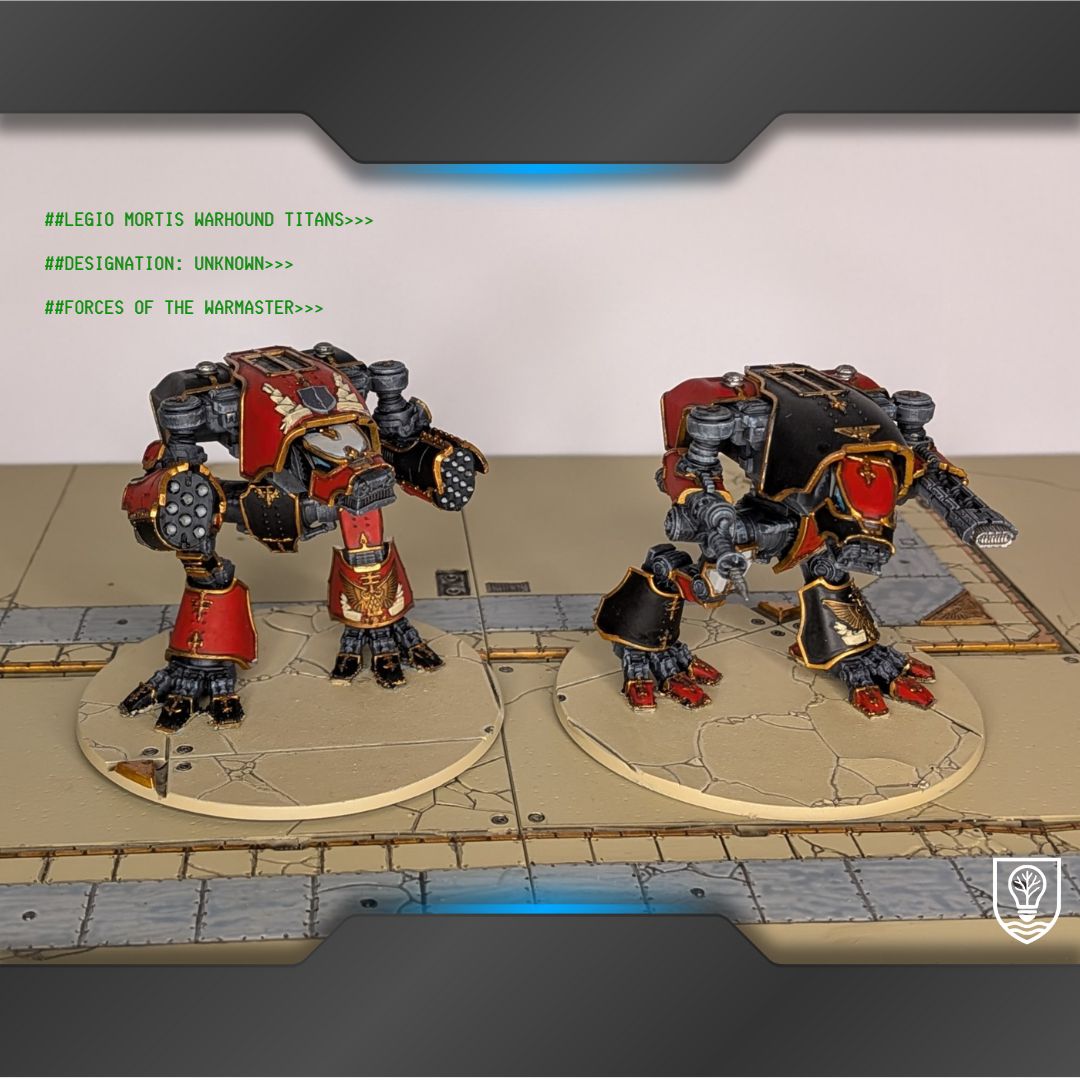
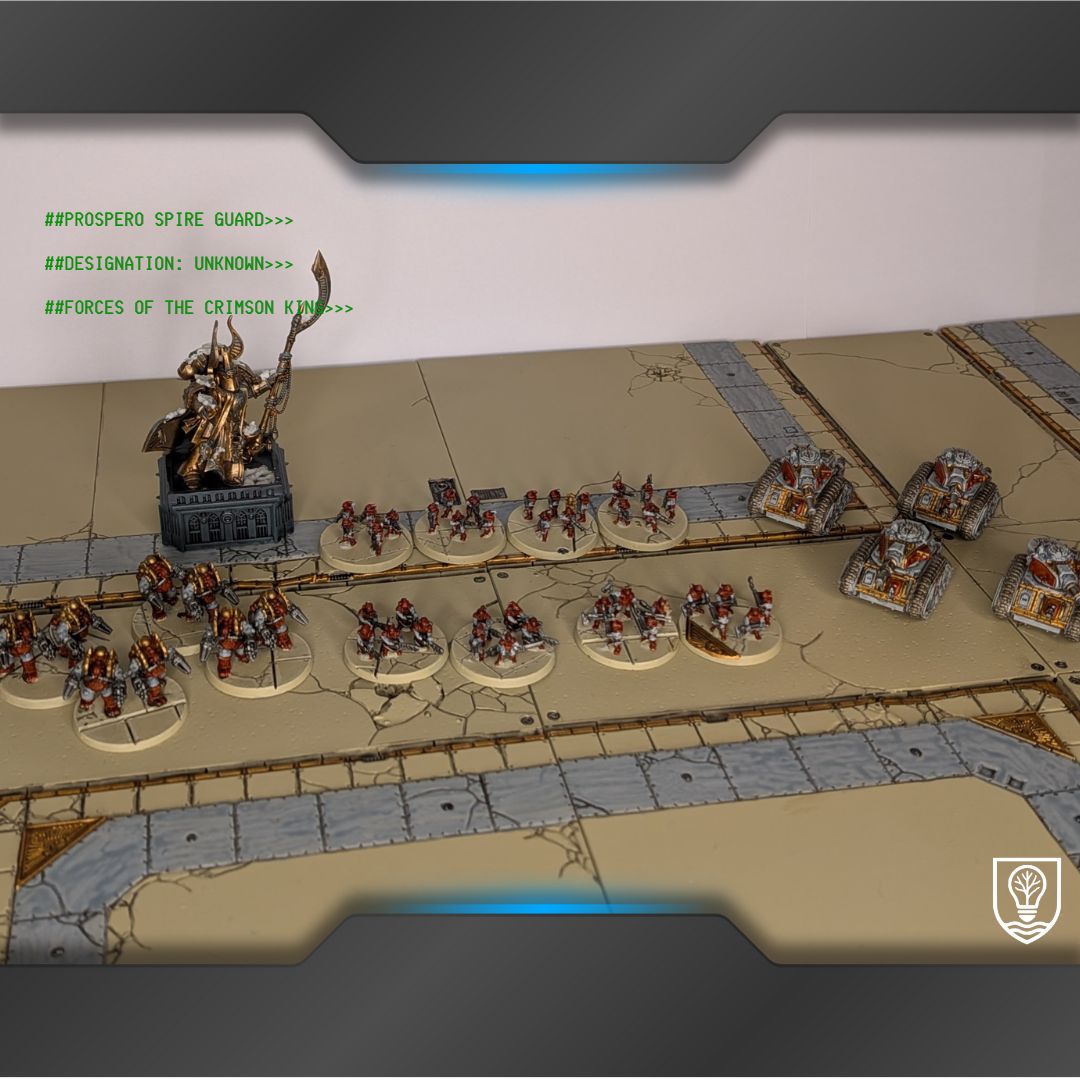
I’ve been on a hobby spree the last couple of months and progressed my Warhammer project, themed on the Burning of Prospero. Too much to update here, but visit my hobby site to see the latest.

Views expressed in this newsletter are mine and do not represent those of my employer. Content and links are provided for informational purposes and do not constitute endorsements. I am not responsible for the content of external sites, which may have changed since this newsletter was produced.

Subscribe to get the latest newsletter sent directly to your inbox: